$ 40030000
Wrongful Death

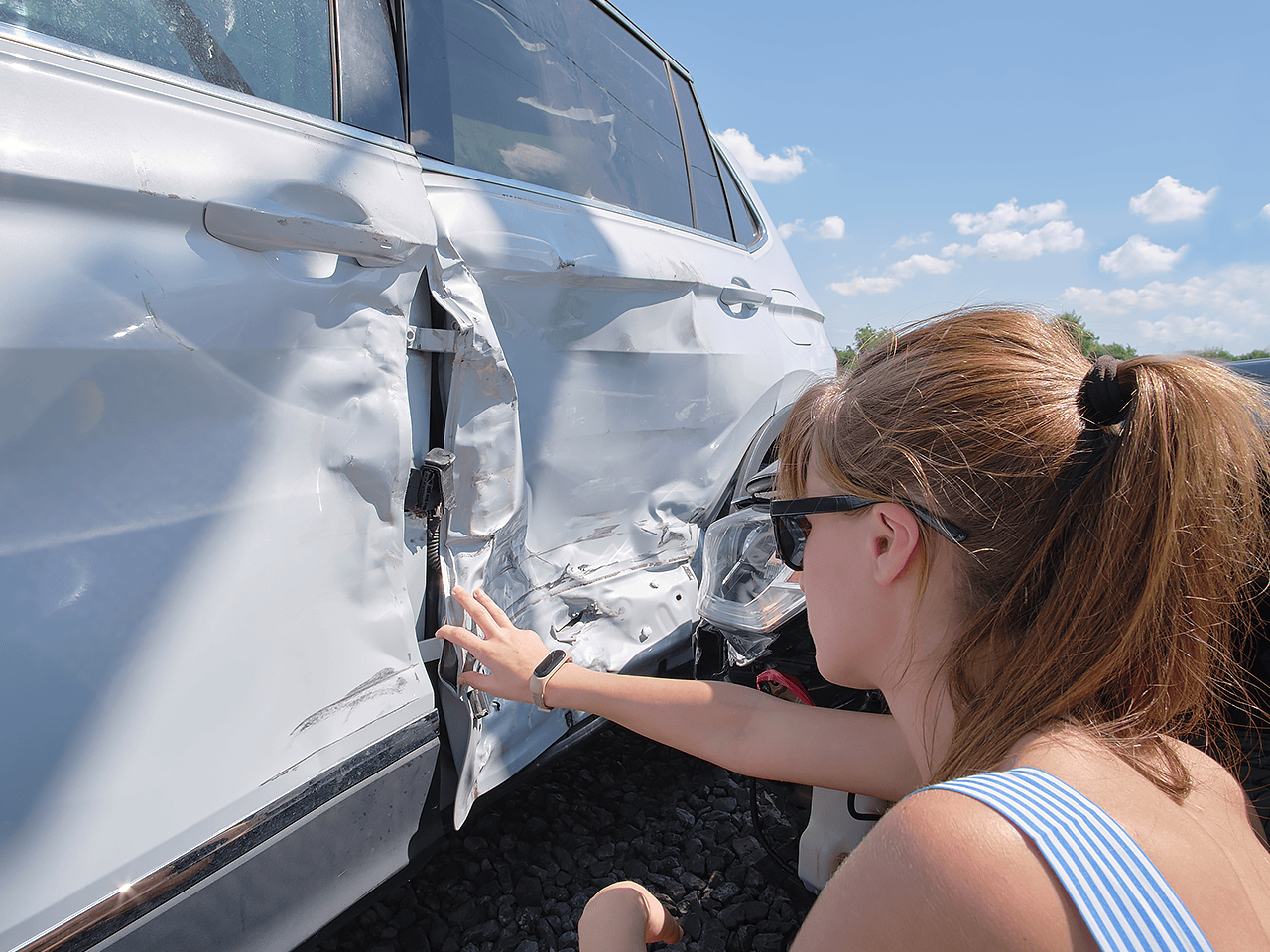
After a car accident, one of the first questions people ask is: How much can I sue for? However, there’s no universal or straightforward answer. Car accident claims in California can range from a few thousand dollars to millions, depending on the injuries, financial losses, and long-term impact on your life.
If you were injured in a California car accident, the amount you may be entitled to recover depends on many factors, including medical expenses, lost income, pain and suffering, and available insurance coverage. Understanding how these elements work together can help you better evaluate what fair compensation looks like and what steps to take next.
There is no fixed dollar amount for car accident lawsuits. Every case is unique, and compensation depends on the specific facts of the case.
In some cases involving minor injuries and limited property damage, settlements typically range from tens of thousands to hundreds of thousands of dollars. However, when accidents result in severe, permanent, or life-altering injuries, compensation can increase significantly.
Examples of real-world outcomes for our clients include:
These figures are not guarantees, but they illustrate the wide range of car accident compensation available to victims. Ultimately, the amount you can sue for depends on how deeply the accident has affected your health, finances, and daily life.
Several key factors influence the value of a car accident claim in California. Each one can increase or limit your total recovery.
There is no one-size-fits-all answer to how much you can sue for after a car accident in California. Some cases resolve with modest settlements, while others result in substantial verdicts or settlements worth hundreds of thousands, or even millions, of dollars.
The value of your claim depends on the full scope of your injuries, financial losses, long-term needs, and who was at fault. Insurance limits and legal strategy also play a major role in the final outcome.
At Caputo & Van Der Walde, we focus on understanding the complete impact an accident has on your life, not just the immediate monetary costs. If you’ve been injured in a car accident and want to know what your case may be worth, speaking with an experienced San Jose car accident attorney can help you protect your rights and pursue the compensation you deserve.
Contact us today by submitting a form below or calling our office at (408) 733-0100 for a free legal consultation.





As members of the Multi-Million Dollar Advocates Forum® and the Million Dollar Advocates Forum®, we have proven our ability to negotiate and litigate on behalf of our clients successfully. Retain us to put our tactical strategies to work for you. These skills are what make our legal team such a formidable opponent in any courtroom or negotiation setting.