$ 2375000
Personal Injury

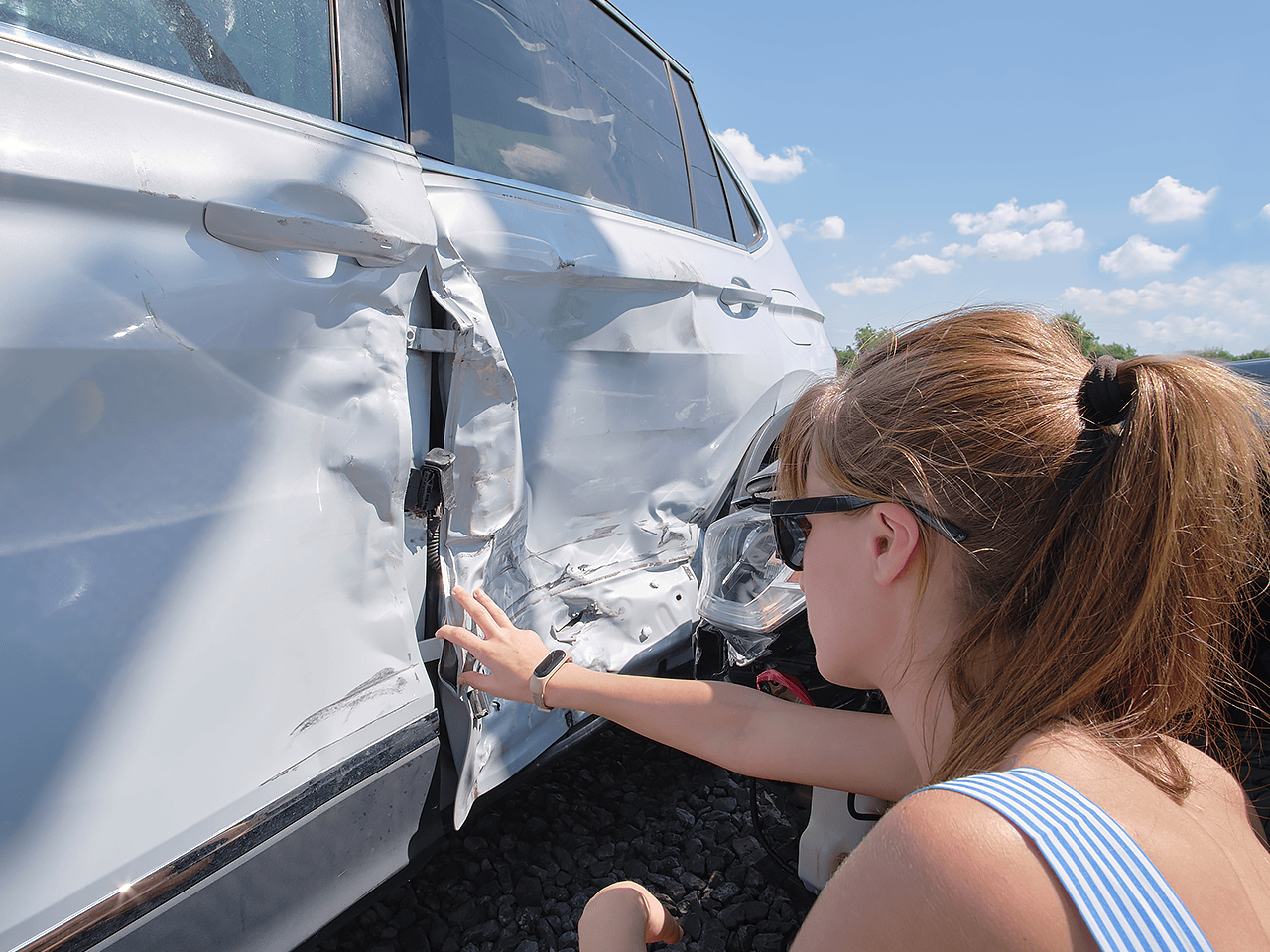
After a car accident, it’s normal to feel overwhelmed and unsure of what to do next. Factors such as who was at fault, their percentage of fault, and where the accident occurred can all impact the insurance claims process and who is responsible for paying damages.
California is an at-fault state. It follows an at-fault insurance system, meaning the driver whose negligence caused the crash is responsible for compensating injured parties. California also uses a legal doctrine called pure comparative negligence, meaning even if you’re partially to blame, you can still recover damages from the other party, but your compensation is reduced according to your share of fault. For example, even if you are found to be 98% liable for the accident, you are still eligible to recover 2% of your losses. So, if your total damage is equal to $100,000, you’re still eligible to recover $2,000.
Understanding the difference between at-fault and no-fault insurance systems is key to knowing how claims work:
In no-fault states, each driver’s own insurance covers their medical expenses (and sometimes lost wages), regardless of who caused the accident. Drivers typically carry Personal Injury Protection (PIP) to cover these costs. Legal actions against the at-fault driver are often limited to cases involving serious injuries or those exceeding statutory thresholds.
In an at-fault state, drivers are required to carry liability insurance. The driver responsible for causing the accident, or their insurance company, pays for the damages suffered by others. Injury and damage claims are filed against the at-fault driver’s insurer. You must prove fault to recover compensation for medical bills, vehicle repairs, lost income, pain and suffering, and other losses.
In California, an at-fault state, drivers are required to carry:
One major concern after a crash is whether your insurance premiums will rise, especially if the accident wasn’t your fault.
Under California law, insurance companies generally cannot increase your premium solely because of an accident that wasn’t your fault. If you’re found not primarily responsible for a crash, insurers are prohibited from surcharging your policy for that accident. This protection comes from state insurance regulations, including provisions such as those in Proposition 103, that govern how insurers can rate drivers.
The amount your insurance premium can increase after an accident depends on several factors. Even when you are not at fault for your car accident, your rates could still change in certain situations when:
Insurance carriers consider your overall risk profile (including prior accidents or violations) when setting your renewal premiums. So, if you share partial fault for an accident or another prior accident, your insurance rates may increase.
Understanding California’s fault laws and the impact on insurance rates after an accident can help save you money and stress. If you’ve been injured in a car accident due to the negligence of another driver in San Jose, speaking with an experienced car accident attorney at Caputo & Van Der Walde as soon as possible can make all the difference.
Contact us today by submitting an online form or calling our office at (408) 733-0100 for a free legal consultation.





As members of the Multi-Million Dollar Advocates Forum® and the Million Dollar Advocates Forum®, we have proven our ability to negotiate and litigate on behalf of our clients successfully. Retain us to put our tactical strategies to work for you. These skills are what make our legal team such a formidable opponent in any courtroom or negotiation setting.