$ 7291986
Personal Injury

Road debris can play a major role in a Los Altos motorcycle crash. A branch, loose gravel, fallen cargo, or construction material may force a rider to brake, swerve, or lose traction in seconds. Even so, debris does not automatically remove all questions about a rider’s actions, which is why the source of the hazard and the conditions surrounding the crash matter.
At Caputo & Van Der Walde LLP, we look closely at why the debris was there, how long it had been present, and whether someone had a reasonable chance to prevent the danger. Early investigation can matter because roadway hazards may be cleared quickly and important evidence can disappear.
Motorcycles are especially exposed to debris that might be only a minor inconvenience for a passenger vehicle. Loose cargo, vehicle parts, gravel, wet leaves, fallen branches, landscaping trimmings, and materials near roadwork can all create a serious loss-of-control risk.
A rider may have little time or space to react. Swerving can place a motorcycle in another lane, braking hard can cause a slide, and riding over an object can damage the tires, suspension, or steering. What looks like a small hazard after a crash may have been impossible to avoid safely at speed.
California’s comparative negligence rules may allow an injured rider to pursue compensation even if an insurer claims the rider shares some responsibility. For example, an insurer may argue that you were speeding, following too closely, or failed to see the debris. Those arguments do not end the investigation. We would examine whether the debris was visible, whether traffic blocked your view, and whether a safe response was realistically available.
Fault can shift away from a motorcyclist when another person or business created the hazard. A driver who fails to secure a load, for example, may create a foreseeable danger when cargo falls into a travel lane. The same may be true when a contractor leaves materials near the road or a landscaping crew fails to remove trimmings.
Not every roadway hazard is the result of negligence. Riders are expected to use reasonable care for the conditions, including adjusting their riding when roads are wet, dark, or crowded. Still, drivers, businesses, and others who use or work near public roads also have responsibilities. They should not create hazards that put riders at risk.
Questions we often examine include:
A motorcycle accident attorney in Los Altos can review those details rather than accepting an insurer’s quick claim that the rider should simply have avoided the object.
Finding the responsible party is not always simple. The person who caused the debris may have left the area before police arrived. In other situations, the hazard may have remained in the road long enough that another party should have discovered it and taken reasonable action.
Depending on the facts, potential responsible parties may include:
Los Altos and the surrounding Santa Clara County area can present many of these issues. Loose gravel near roadwork, tree limbs after wind or rain, debris from landscaping activity, and materials left near a construction site may all create hazards for riders.
Claims involving a city, county, or state roadway require special care. When a dangerous road condition may have contributed to a crash, claims against public entities can involve notice requirements and shorter deadlines. Whether a public entity had notice of the hazard, or should have known about it, may become a central issue. We recommend preserving information early so the condition of the roadway can be properly evaluated.
Photos and video can tell a clearer story than a later description of the crash scene. Debris may be removed within minutes, skid marks can fade, and weather conditions can change before anyone has a chance to return to the location.
Helpful evidence may include photographs of the debris, the motorcycle, damaged riding gear, lane markings, warning signs, and nearby work areas. Video may also show traffic flow, visibility, or the vehicle that caused the debris to enter the road.
Other materials may help establish what happened:
In serious cases, accident reconstruction professionals may assess sight lines, stopping distance, roadway geometry, debris placement, and a rider’s available reaction time. A motorcycle accident attorney in Los Altos can help preserve evidence before debris is removed, surveillance footage is overwritten, or key witnesses become difficult to locate.
Autumn weather can make ordinary debris harder to see and more dangerous to cross. Early seasonal rain may turn leaves, dirt, pine needles, and oil residue into a slippery layer. Wind can also push branches and vegetation into travel lanes, especially near tree-lined roads.
Low-contrast debris can blend into wet pavement during early morning commutes, dusk, or rain. These conditions do not automatically excuse a driver hauling materials, a contractor working near a roadway, or an entity that had notice of a dangerous condition. Instead, they may make it even more important to determine whether the hazard was preventable.
When medically possible, we recommend documenting the exact debris location, weather, road lighting, traffic conditions, and nearby signs or work zones. Those details can be difficult to recreate later.
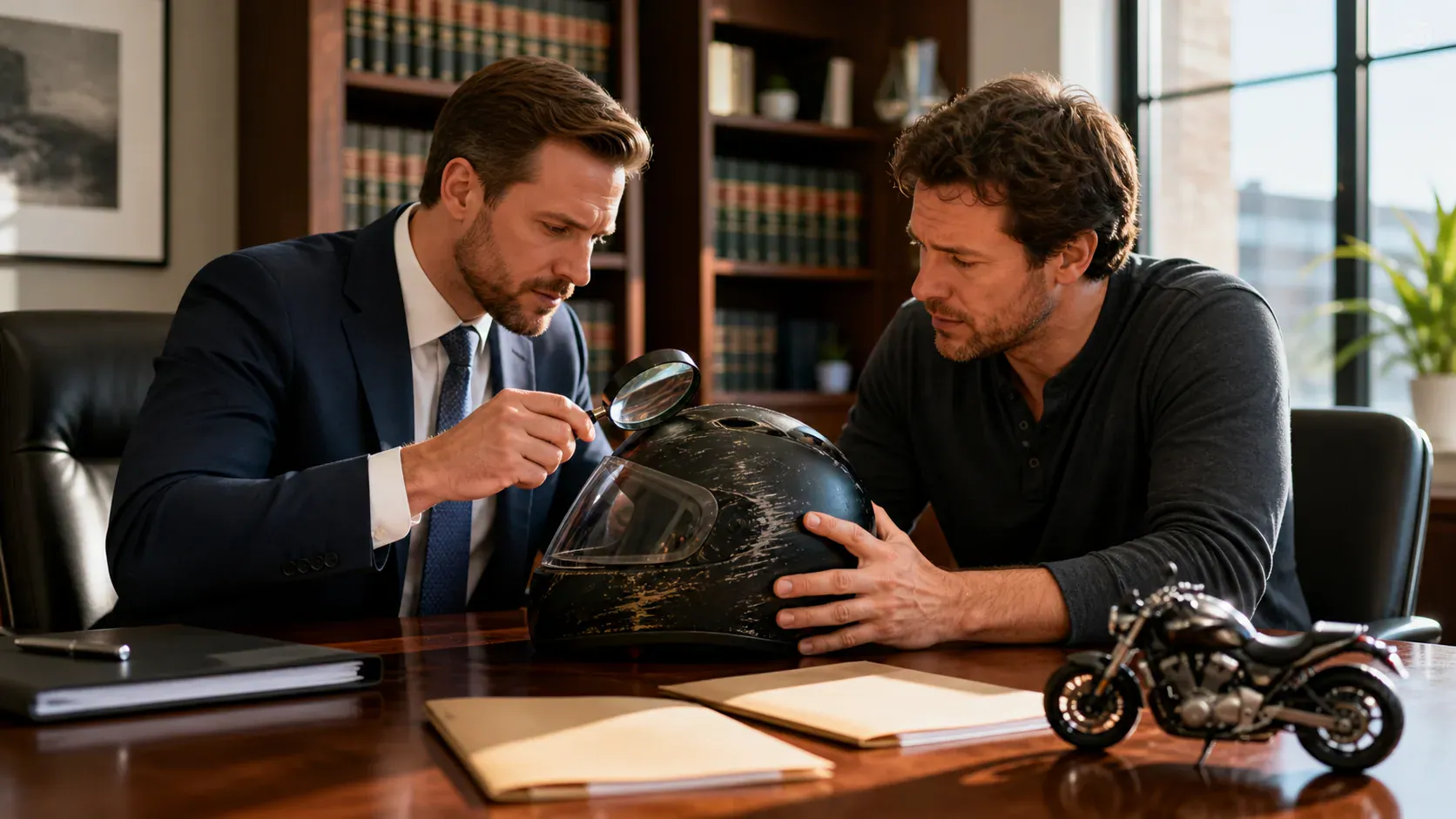
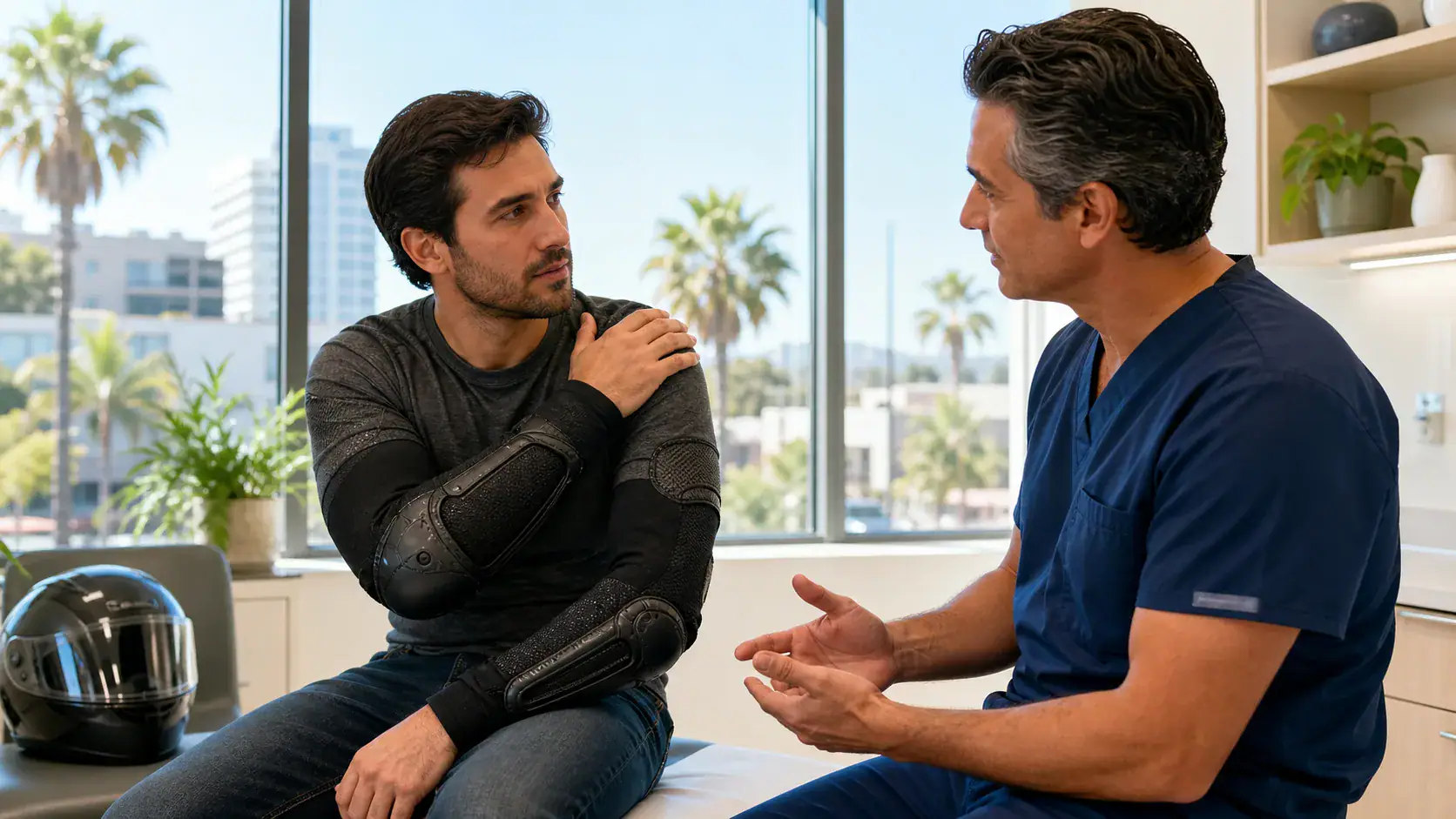
After a debris-related motorcycle crash, seek prompt medical care and report the collision. Preserve the motorcycle, helmet, clothing, and other riding gear in their post-crash condition when possible. Avoid repairs, disposal, or alterations until the property can be inspected, particularly when the cause of the crash is disputed.
Be careful when discussing fault with insurers or considering a quick settlement. Cases involving commercial vehicles, contractors, roadway maintenance, or government entities can raise questions that are not obvious at the scene. Preserving the evidence and identifying the source of the debris can help provide a more complete picture of what caused the crash.
Caputo & Van Der Walde LLP can assess how the facts of your collision may affect your claim and help you understand your legal options. Speak with a motorcycle accident attorney in Los Altos who can advocate for your interests. To discuss your situation with our team, contact us today.






As members of the Multi-Million Dollar Advocates Forum® and the Million Dollar Advocates Forum®, we have proven our ability to negotiate and litigate on behalf of our clients successfully. Retain us to put our tactical strategies to work for you. These skills are what make our legal team such a formidable opponent in any courtroom or negotiation setting.