$ 1125000
Motor Vehicle Accident

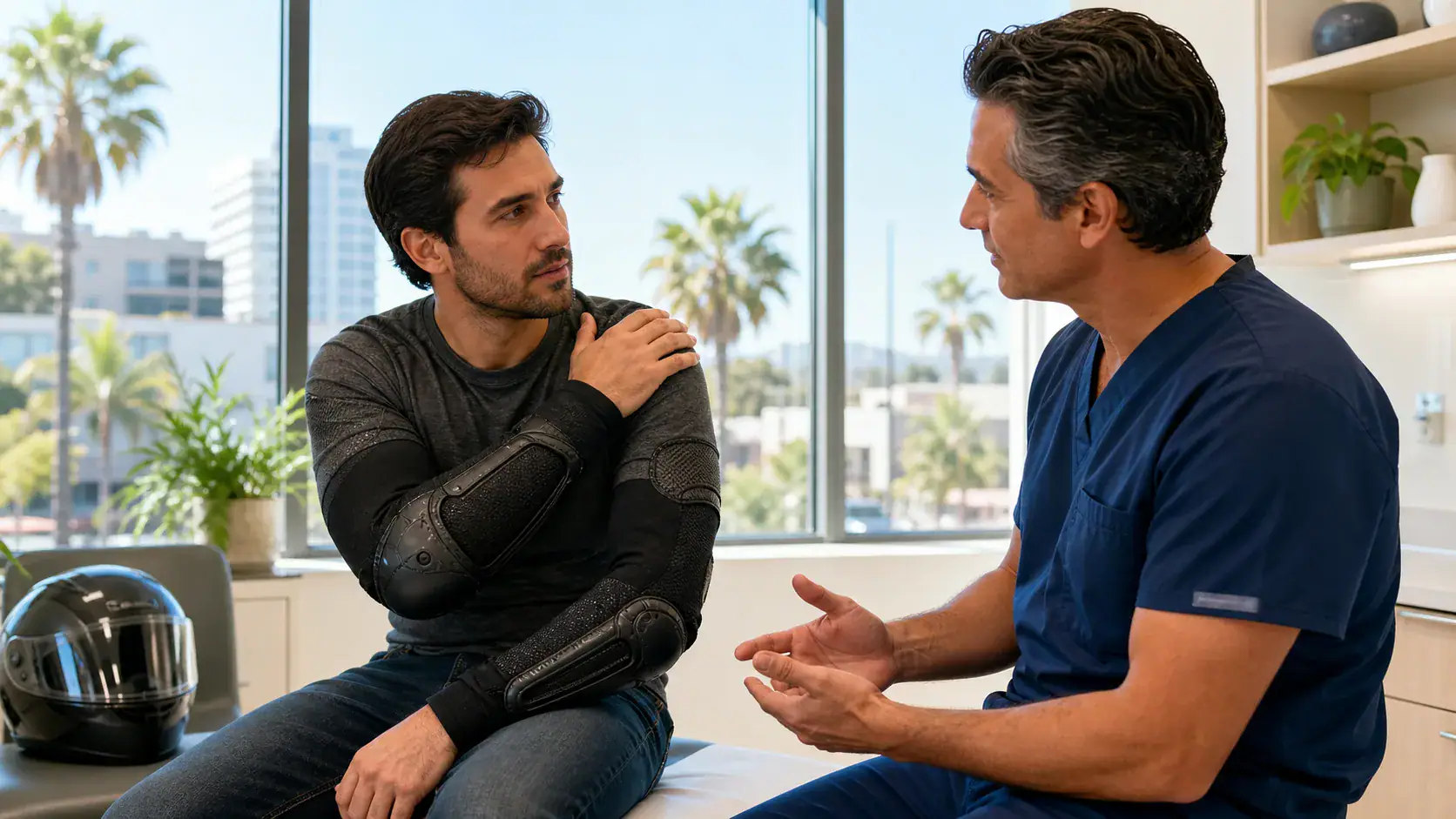
A damaged motorcycle helmet may hold important clues about a serious crash. Helmet damage does not prove who caused a collision, but it can support your claim when we review it alongside medical records, photos, witness accounts, vehicle damage, and crash reports.
After you have received appropriate medical care, protecting the helmet can help preserve a clearer picture of what happened. For injured riders in Morgan Hill, early evidence preservation may also make it harder for an insurance company to downplay the force of the crash or the seriousness of your injuries.
A helmet is more than protective gear after a motorcycle collision. It can become physical evidence showing where the rider may have struck a vehicle, the roadway, a guardrail, or another object. The helmet’s condition may help explain the force of the impact and support a more complete account of the crash.
We encourage riders and families to pause before throwing away, replacing, repairing, or deeply cleaning damaged gear. A helmet that looks unusable may still help an investigation. Preserving it in its post-crash condition gives us and qualified experts a better opportunity to compare it with the rest of the available evidence.
Helmet evidence is strongest when it is part of a complete investigation, including:
Scrapes, cracks, dents, broken visors, crushed foam, and damaged chin straps can all tell part of the story. For example, abrasion on one side of a helmet may point to contact with pavement, while a deep crack or dent may suggest a direct strike against a vehicle or fixed object.
The inside of the helmet can matter just as much as the shell. A helmet is built to absorb force, so its foam liner or retention system may be damaged even when the outer surface does not look severe. Compression inside the helmet may be consistent with a significant impact involving a concussion, traumatic brain injury, neck injury, facial injury, or other serious harm.
Still, a damaged helmet is not a substitute for medical care or a full crash investigation. Insurance companies may argue that the helmet was already damaged, that normal wear caused the marks, or that the damage came from a different event. We work to connect the helmet to the crash scene, the rider, the motorcycle, and the medical evidence so it has proper context.
Time can change physical evidence. Rain, heat, repeated handling, repairs, and even well-meaning cleaning can alter a helmet’s condition. If possible, keep it exactly as it was after the collision.
Prompt documentation can also make a difference. Take clear photos in good lighting before moving or storing the helmet. Capture the shell, visor, chin strap, labels, interior padding, and every visible crack, scrape, or broken piece.
We generally recommend documenting related items, too:
Store the helmet in a dry, protected place where it will not be crushed, altered, or misplaced. It can also help to note who handled it and when. A motorcycle accident lawyer Morgan Hill riders turn to after a serious crash can help preserve physical evidence and determine whether an expert evaluation is appropriate.
Helmet damage may support the medical side of a personal injury claim, especially when the damage aligns with the rider’s symptoms, diagnosis, treatment, and recovery needs. A cracked shell or compressed liner does not diagnose an injury, but it may support medical opinions about the type and force of impact involved.
The helmet may also fit into the fault analysis. Damage on the left side, for instance, could match evidence showing that a driver turned into the rider’s path, changed lanes without checking a blind spot, followed too closely, or failed to yield. The helmet is only one piece of the puzzle, but it can reinforce what roadway evidence, witness statements, vehicle damage, or video footage already shows.
Insurers often look for ways to shift blame or reduce a claim’s value. They may question whether the helmet was properly secured, whether it was old or previously damaged, or whether a later event caused the injuries. We respond to those arguments with preserved evidence, a well-documented medical record, expert review when needed, and a consistent timeline from the collision forward.
Autumn riding in Morgan Hill can bring earlier sunsets, low-angle glare, leaves on the road, and wet pavement after seasonal rains. Those conditions can make it harder for everyone to see and react, but they do not excuse careless driving.
Drivers still have a duty to watch for motorcycles and operate safely as conditions change. A driver who speeds, drives distracted, turns improperly, follows too closely, or fails to check blind spots may still be responsible for a collision, even if the road was wet or visibility was reduced.
When we evaluate a serious motorcycle claim, we look beyond the helmet alone. Medical documentation, work records, treatment plans, and expert opinions may help show losses related to emergency care, rehabilitation, lost income, reduced earning ability, pain and suffering, and future care needs. Caputo & Van Der Walde LLP represents injured motorcyclists in Santa Clara County and throughout California when catastrophic injuries require a careful, fact-specific review.
After a major motorcycle crash, focus on your health first and follow your medical providers’ guidance. Keep the helmet and other damaged gear, save photos and paperwork, and be cautious about recorded insurance statements or early settlement offers before you know the full extent of your injuries.
Every claim depends on its own facts. Preserved helmet damage, complete medical records, crash-scene evidence, and a clear account of what happened can all help create a stronger foundation for assessing fault and the harm caused by the collision.
Caputo & Van Der Walde LLP can help you understand your legal options and pursue the compensation your injuries and losses may warrant. Speak with a motorcycle accident lawyer in Morgan Hill about your situation and the path forward. To arrange a conversation with our team, contact us today.




As members of the Multi-Million Dollar Advocates Forum® and the Million Dollar Advocates Forum®, we have proven our ability to negotiate and litigate on behalf of our clients successfully. Retain us to put our tactical strategies to work for you. These skills are what make our legal team such a formidable opponent in any courtroom or negotiation setting.