$ 1475000
Motor Vehicle Accident

Crosswalk timing can help explain what happened in the seconds before a pedestrian crash. In Gilroy, the pedestrian signal, countdown display, push button, turning traffic, and vehicle flow may all matter when fault is disputed.
A person may begin crossing during a Walk signal and still be in the crosswalk when the countdown reaches zero. On the other hand, a driver may say someone entered too late, even though video or witness accounts show the driver failed to yield. When we review a serious injury claim, we look closely at the sequence of events before impact.
Pedestrian signals provide important guidance, but they don’t answer every fault question on their own. A Walk signal generally allows a pedestrian to start crossing. A flashing Don’t Walk signal often tells someone already in the roadway to finish crossing, while a steady Don’t Walk signal generally means a person should not start into the crosswalk.
Even if a pedestrian signal is unfavorable, a driver still has a duty to use reasonable care. Drivers must watch the roadway, look before turning, and yield when required. A green light does not give a driver permission to turn into a marked crosswalk without checking for people already there.
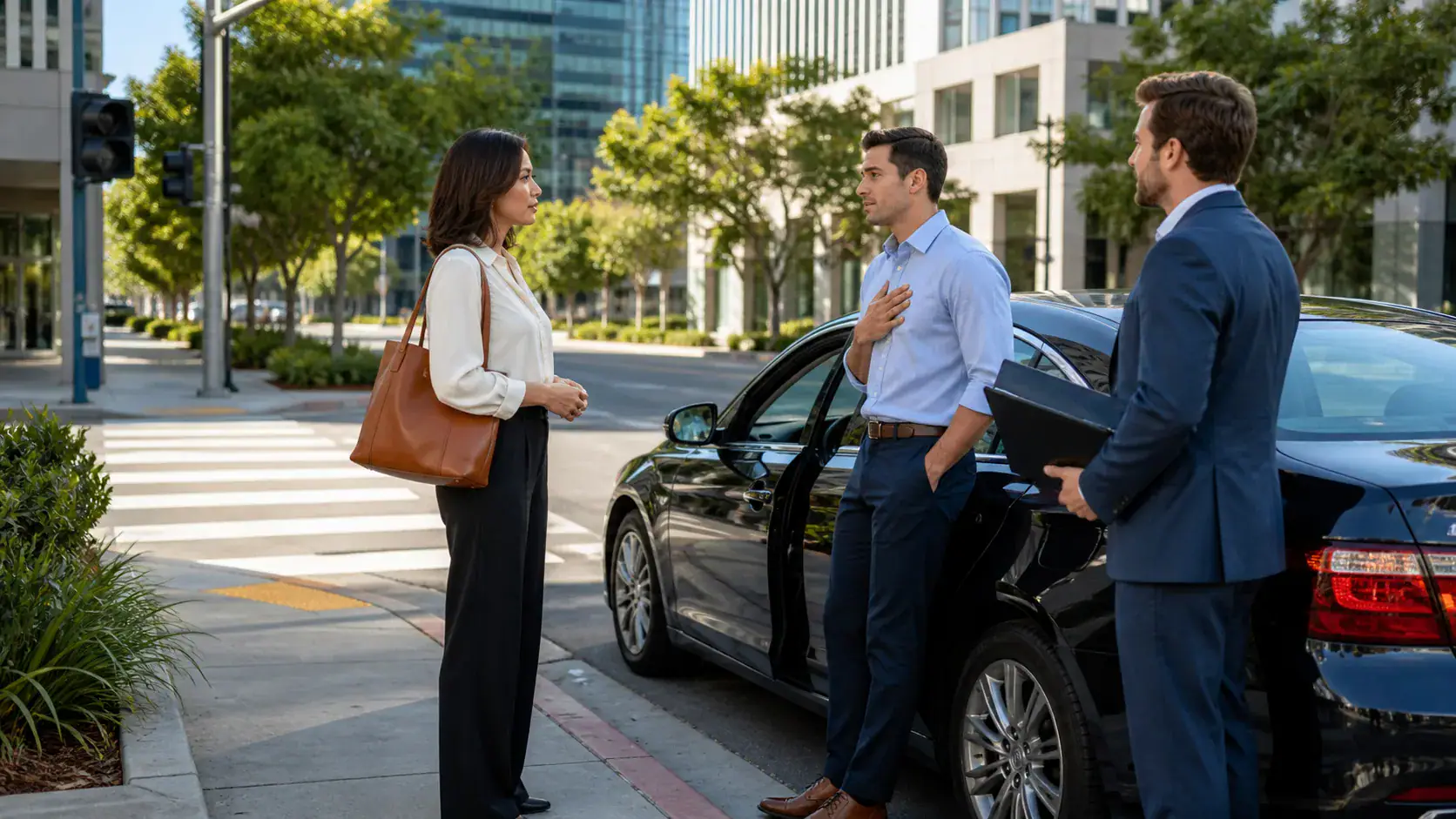
Gilroy intersections can create competing movements that make these cases harder to sort out. A driver turning left may focus on oncoming vehicles. A driver turning right may watch for traffic, bicycles, or a gap in the lane, then miss a pedestrian directly in the crosswalk.
California’s comparative negligence rules may allow more than one person to share responsibility. As pedestrian accident attorneys Gilroy residents can turn to after a serious crash, we review whether the driver, pedestrian, roadway conditions, or another party contributed to the collision.
A countdown display can offer useful context about how long someone had been crossing. If a witness remembers the number shown on the signal, that detail may help compare accounts of vehicle speed, pedestrian position, and the driver’s chance to stop or yield.
Still, the number on a display is only one piece of the picture. We may need to ask:
When the timing is disputed, evidence from the scene may help fill in the gaps. Vehicle damage, skid marks, roadway measurements, witness statements, surveillance footage, and vehicle event data can sometimes show what occurred during those brief but important seconds.
Memories can change quickly after a frightening event. That is why we work to identify information that may support an injured person’s account before recordings disappear and witnesses become difficult to locate.
Signal timing is not always obvious from a collision report. A report may identify the intersection and the parties involved, but it may not fully explain the signal sequence, the pedestrian’s location, or whether a driver turned without yielding.
Depending on the circumstances, the information worth preserving may include:
Private video systems may record over footage within days or weeks. Photos taken soon after a crash can also document faded crosswalk paint, blocked views, construction activity, rain, glare, or poor lighting. These details may look small at first, but they can help explain why a driver did not see a pedestrian or why a pedestrian had limited time to react.
We also review medical records and collision reports carefully. Differences between a driver’s statement, a witness account, and physical evidence may raise questions that need further investigation. In some claims, the evidence may suggest driver negligence, an unsafe intersection condition, or another party’s responsibility.
Late October brings earlier sunsets and more people walking near streets and intersections. Halloween activity can add costumes, neighborhood foot traffic, celebrations, and drivers who may be distracted or in a hurry. Those conditions can make crosswalk awareness especially important in Gilroy and throughout Santa Clara County.
Reduced visibility does not remove a driver’s responsibility to operate safely. After dark, drivers should slow down when conditions call for it, remain alert at intersections, and take extra care before turning across a crosswalk.
Lighting conditions can become an important part of an investigation. We may consider whether streetlamps were operating, whether headlights or glare affected visibility, whether traffic was congested, and whether a special event changed normal roadway conditions. Clothing, footwear, photos, and available video may all help preserve an accurate record of what the scene looked like at the time.
After a serious pedestrian injury, your health comes first. Follow your medical providers’ recommendations and keep records of symptoms, treatment, missed work, out-of-pocket expenses, and insurance communications. Serious injuries can require ongoing care, so it is often hard to understand the full impact immediately after a collision.
Before giving a recorded statement or making assumptions about fault, it helps to understand the available evidence. Insurance companies may focus on signal status or where a pedestrian was standing, even when speed, distraction, inattention, or a failure to yield played a major role. Preserving the facts early can make it easier to evaluate what happened and protect your ability to pursue fair compensation.
Caputo & Van Der Walde LLP can help you assess your options and pursue the compensation available under the circumstances. Speak with a pedestrian accident attorney in Gilroy who can review the evidence and explain the next steps. To discuss your case with our team, contact us for a consultation.






As members of the Multi-Million Dollar Advocates Forum® and the Million Dollar Advocates Forum®, we have proven our ability to negotiate and litigate on behalf of our clients successfully. Retain us to put our tactical strategies to work for you. These skills are what make our legal team such a formidable opponent in any courtroom or negotiation setting.