$ 1000000
Motor Vehicle Accident

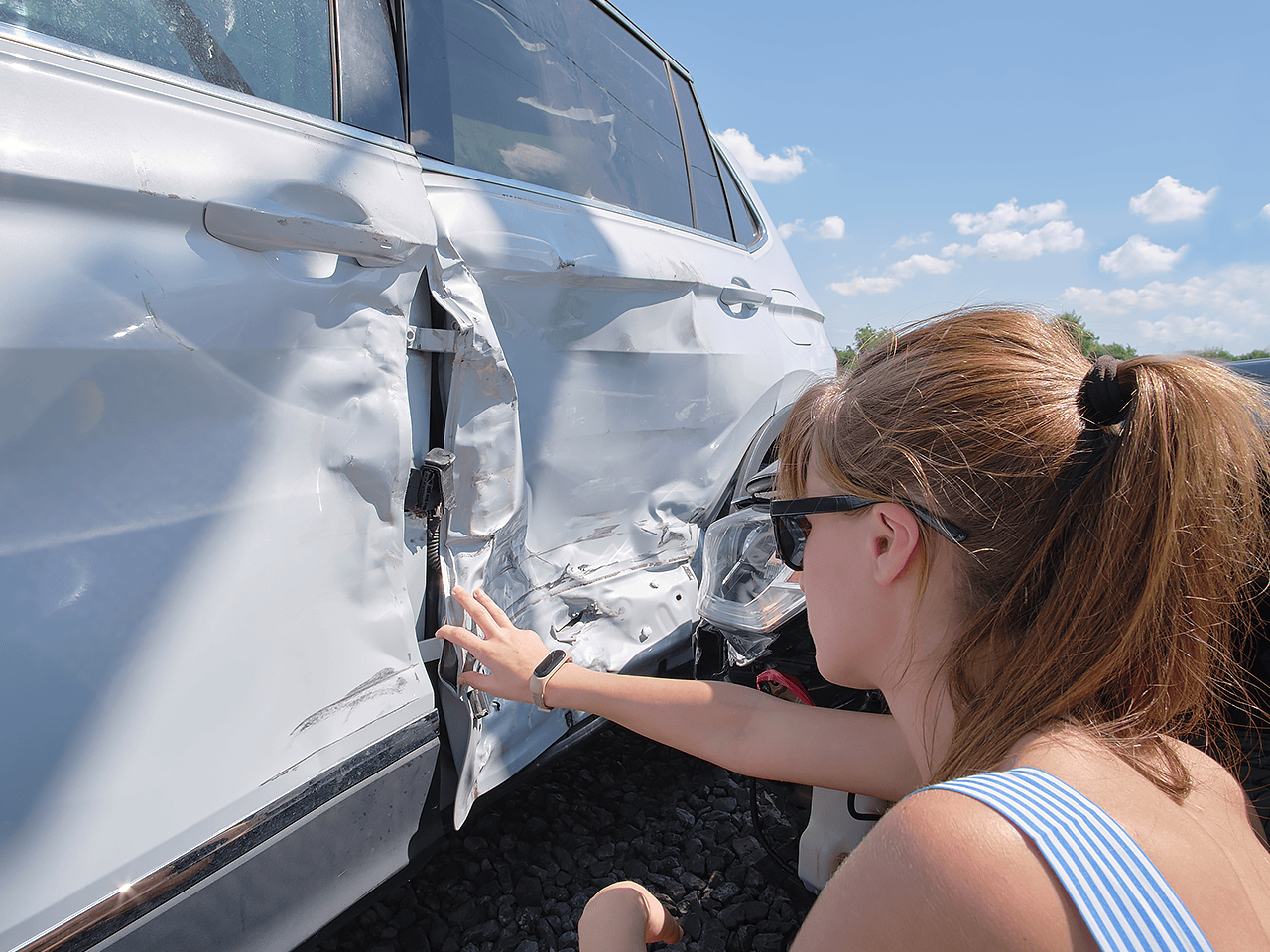
A Palo Alto car crash can leave you dealing with far more than doctor visits and vehicle repairs. Insurance companies may quickly suggest that you helped cause the collision, even when another driver’s careless choice appears clear.
Shared fault does not automatically stop you from seeking compensation in California. We help injured people understand how fault is evaluated, why early statements matter, and how a car accident lawyer in Palo Alto can help protect a claim. Details may include California’s comparative negligence rules, evidence, fall driving conditions, and how fault percentages can affect damages.
California follows a pure comparative negligence rule. In plain terms, you may still seek damages even if you were partly responsible for a crash. Your potential recovery is reduced by the percentage of fault assigned to you.
For example, if your total damages are $100,000 and you are found 20 percent at fault, your recovery could be reduced by $20,000. That could leave $80,000. Actual case value depends on many facts, including the evidence, the seriousness of your injuries, available insurance coverage, and legal issues in the case.
Insurance companies often raise shared-fault arguments based on claims that an injured driver was:
An accusation is not proof. We look closely at what each driver did in the moments before impact, rather than accepting an insurer’s first version of events.
Fault is not decided simply because an insurance adjuster says so in a phone call. A police report can be useful, but it is only one piece of the picture. Reports may be incomplete, based on limited information, or unable to settle every question about how a collision happened.
Strong evidence can make a real difference when someone tries to place unfair blame on you. Depending on the crash, we may review:
After a collision, it is understandable to feel shaken and uncertain. Still, avoid guessing about what happened or saying you “should have” done something differently before all facts are known. A casual statement can later be treated as an admission. We can investigate the crash, preserve evidence, and respond when an insurer tries to assign you more fault than the facts support.
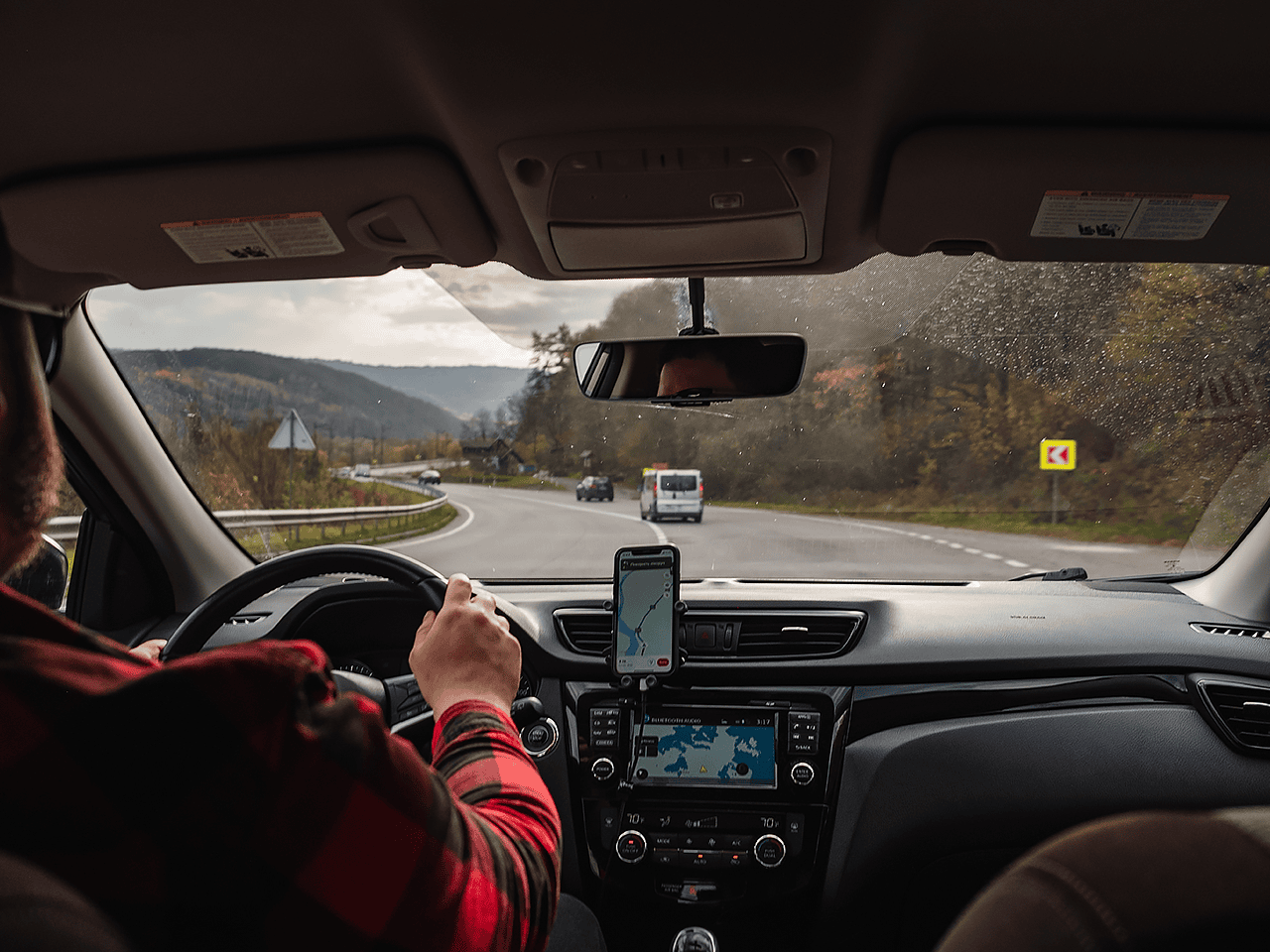
October brings changes that can complicate collision claims in Palo Alto and throughout Santa Clara County. Earlier sunsets, fall rain, wet leaves, glare, and heavier evening traffic may make it harder for drivers to see hazards. These conditions can also put bicyclists and pedestrians at greater risk.
Rain or reduced visibility does not excuse careless driving. Drivers still must act reasonably for the conditions. That can mean slowing down, leaving more room between vehicles, using headlights when appropriate, checking mirrors carefully, and staying focused on the road.
Insurers sometimes point to darkness or wet pavement as a reason to blame both drivers. Yet the important question is not simply whether rain was falling or the sun was low. The question is whether each person used reasonable care under those conditions. A driver who speeds through a wet intersection, follows too closely, or turns without looking may still bear responsibility for the harm caused.
A fault percentage can affect many parts of a personal injury claim. Depending on the circumstances, damages may include medical expenses, lost income, reduced earning ability, pain and suffering, property damage, and other losses tied to the crash.
The case may become more involved when more than one party acted carelessly. Responsibility could potentially involve another driver, an employer, a vehicle owner, a rideshare company, a public entity, or a business connected to unsafe property conditions. Each situation requires a careful review of what happened and who contributed to causing the collision.
Even when fault is clear, insurance limits and available assets can affect what you can recover. We evaluate possible sources of compensation and focus on evidence that supports a fair allocation of responsibility. A car accident lawyer in Palo Alto can also help identify issues that may not be obvious during an early conversation with an insurer.
After a crash, seek appropriate medical care and keep records of your injuries, treatment, missed work, and expenses. Preserve photos, repair estimates, messages, and correspondence from insurers. Before giving a recorded statement or accepting a settlement offer, it is wise to understand how those decisions could affect your claim.
A shared-fault allegation is not the final word. Prompt guidance can help you understand your options, protect important evidence, and avoid statements that may later be used against you. Whether a collision happened in Palo Alto or elsewhere in Northern or Southern California, the facts deserve careful review before you accept blame.
At Caputo & Van Der Walde LLP, we can assess how California’s comparative-fault rules may apply to your crash and pursue the compensation supported by the evidence. Speak with a car accident lawyer in Palo Alto who can explain the legal process and help you make informed decisions. To discuss your situation with our team, contact us today.

As members of the Multi-Million Dollar Advocates Forum® and the Million Dollar Advocates Forum®, we have proven our ability to negotiate and litigate on behalf of our clients successfully. Retain us to put our tactical strategies to work for you. These skills are what make our legal team such a formidable opponent in any courtroom or negotiation setting.