$ 7291986
Personal Injury

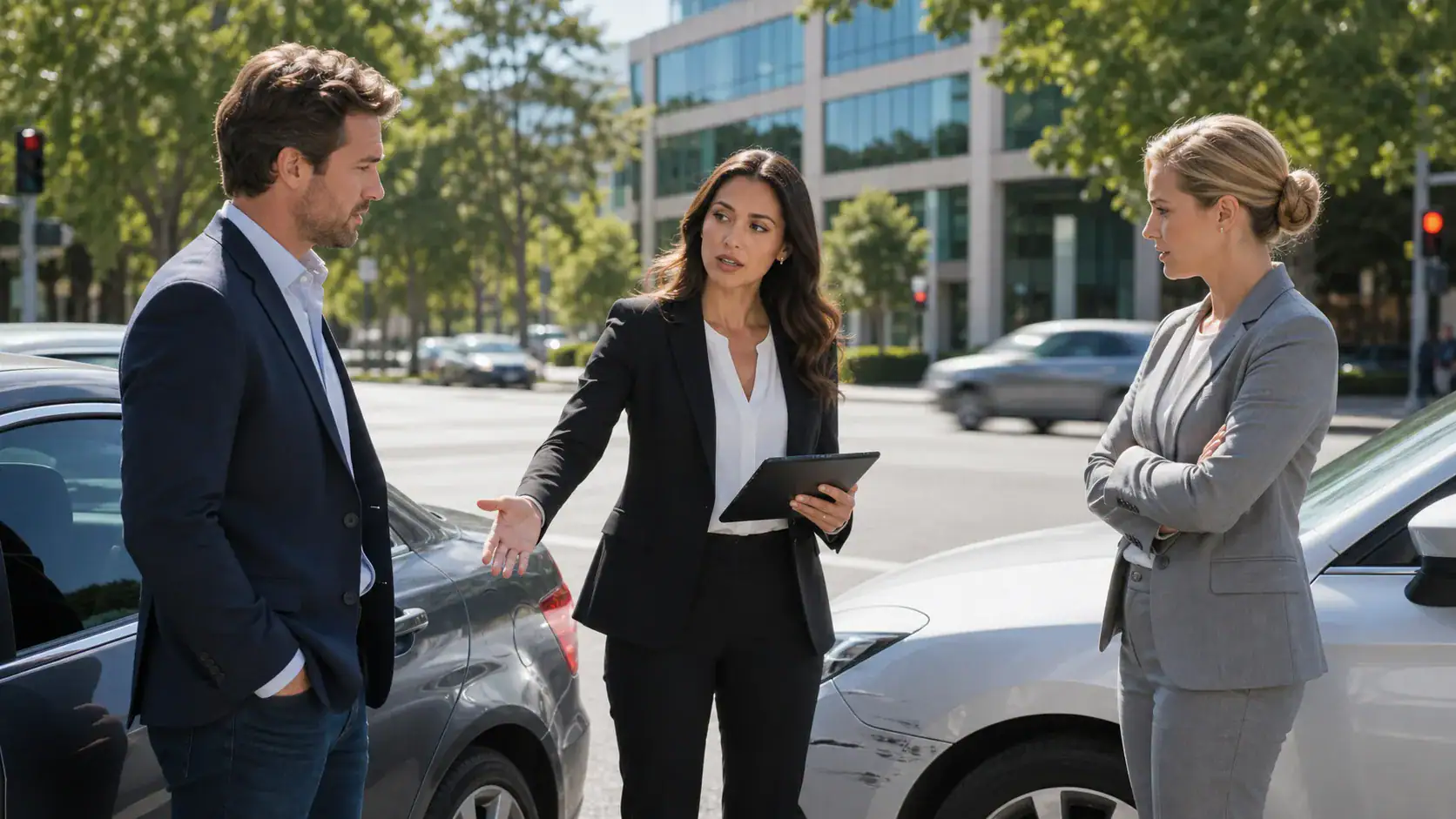
When drivers disagree about what happened, proving fault after a Palo Alto crash can become difficult. A vehicle’s event data recorder, often called a black box, may preserve objective details from the seconds before impact. At Caputo & Van Der Walde LLP, we know this information can help confirm or challenge accounts of speed, braking, steering, and other actions that matter in a personal injury claim.
This evidence can be especially helpful after crashes at crowded intersections, along El Camino Real, or near freeway entrances. Autumn rain, earlier sunsets, wet pavement, and heavier traffic can all lead to disputes about visibility, reaction time, and who had the right of way.
Newer cars, SUVs, and trucks may have some form of event data recorder, or EDR. Despite the name, it doesn’t record every mile of every trip. Instead, the system may save a limited snapshot of vehicle activity when it detects a collision or sudden impact.
Depending on the vehicle and the severity of the crash, an EDR may record details such as:
These records do not on their own provide a complete answer. A black box generally does not include video, audio, or a statement explaining why a crash happened. It may not show whether a driver was looking at a phone, ran a red light, or failed to yield.
Still, the measurements can be meaningful. When we review a claim, we compare available vehicle data with the physical evidence, witness accounts, photographs, and collision report. A qualified crash reconstruction professional may also help explain what the recorded information does, and does not, show.
Black box records can be useful when one driver’s version of events does not line up with another’s. For example, a driver may say they were traveling at the speed limit, but the data could show rapid acceleration or a higher speed shortly before impact. In a rear-end crash, it may show whether the driver braked before hitting the vehicle ahead.
Brake and steering data can also help show whether someone tried to avoid a collision. If the records show no braking or steering movement before impact, that does not automatically prove distraction or impairment. It can, however, raise important questions about whether the driver saw the hazard and had a reasonable chance to respond.
The other side may review this data, too. An insurer might argue that an injured person was speeding, failed to wear a seat belt, or otherwise contributed to the wreck. California allows shared fault, so these arguments can affect how a claim is evaluated. A car accident lawyer in Palo Alto can help put technical records in context instead of letting one isolated data point tell the whole story.
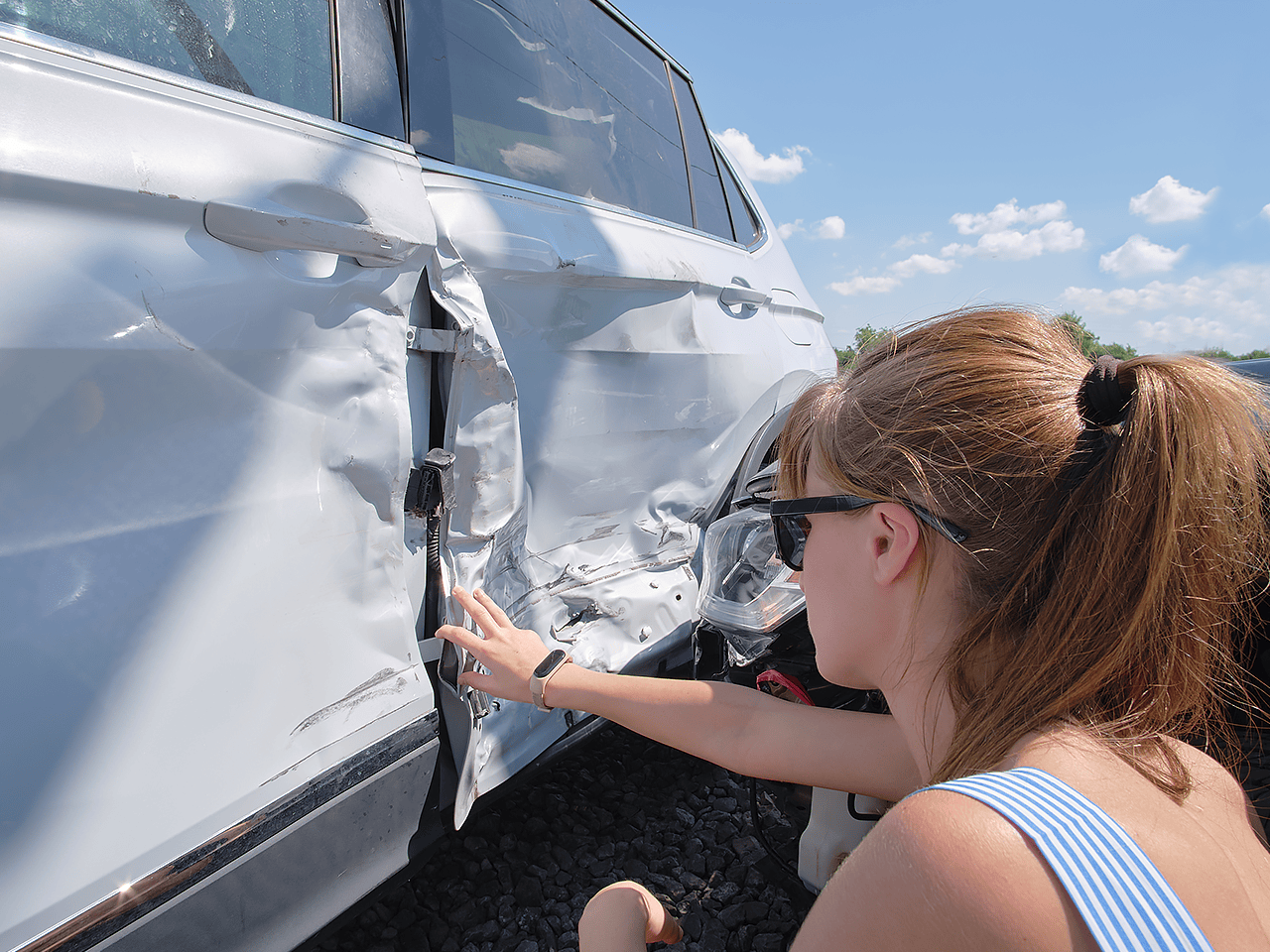
Time matters because black box evidence can disappear. After a serious collision, a damaged vehicle may be towed away, repaired, declared a total loss, sold, or sent to salvage. Later impacts or certain vehicle events may also affect the information that remains in the recorder.
We recommend identifying where each involved vehicle is located as soon as possible. Evidence may be stored in your vehicle, the other driver’s vehicle, a rideshare car, or a commercial vehicle. Insurers and vehicle owners may make repair or disposal decisions before you realize the data could be important.
A written preservation request may be appropriate when the facts warrant it. This type of notice asks the person or company controlling a vehicle to preserve the vehicle and relevant electronic data while the claim is investigated. It can help reduce the risk that important evidence is altered or destroyed.
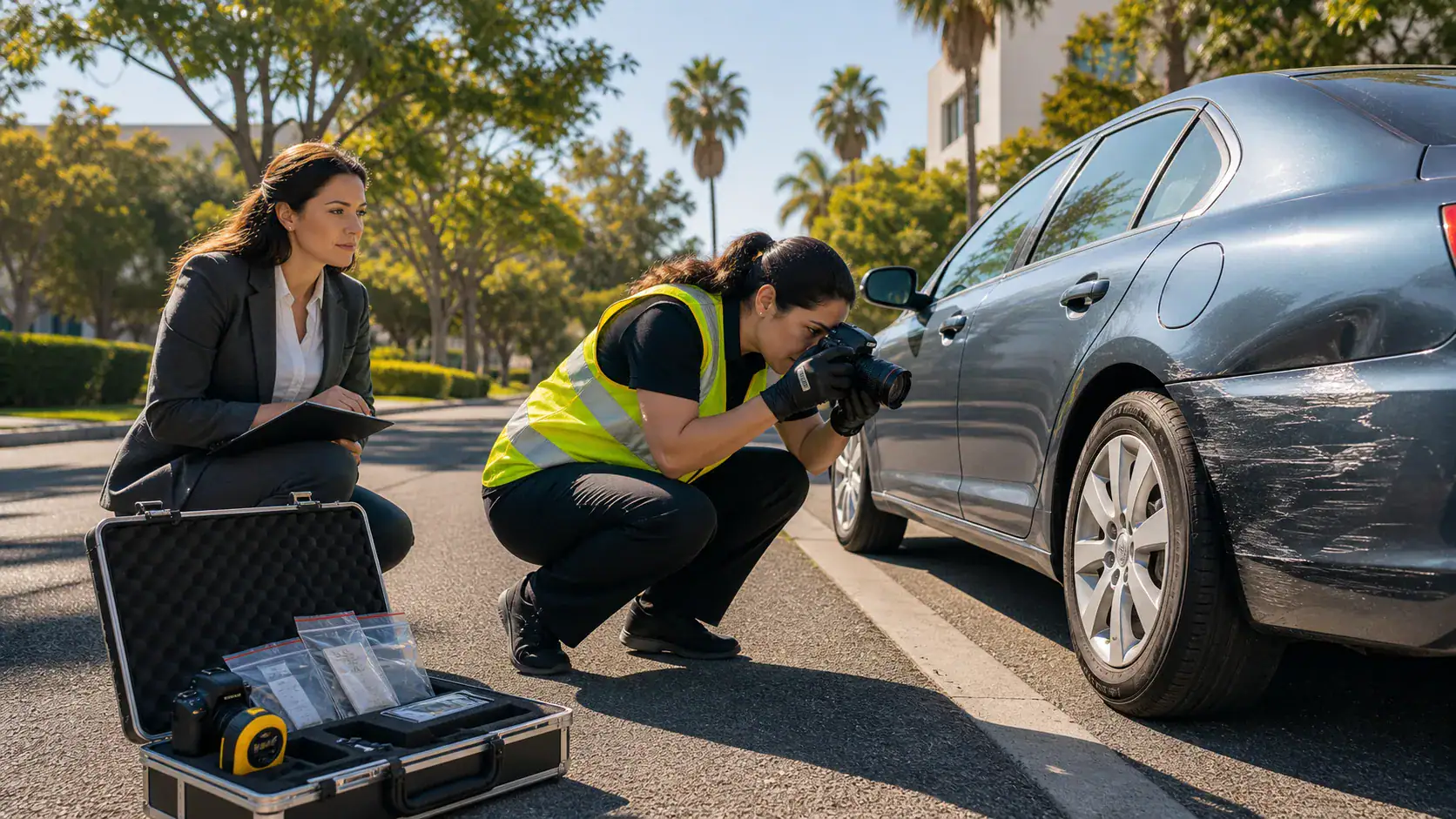
Before authorizing major repairs, it is wise to consider whether the vehicle should first be inspected and documented. We can assess whether prompt steps are needed to protect the evidence and help ensure the investigation is based on the available facts.
Black box information is strongest when it supports other evidence. An EDR might show speed and braking, but it cannot always show the color of a traffic signal, a blocked sightline, road debris, or another driver’s conduct outside the vehicle.
A thorough crash review may include:
Video can be especially time-sensitive because many systems record over older footage. Commercial trucks, delivery vans, and company vehicles may also have electronic systems that preserve more than a standard passenger vehicle. Depending on the vehicle, those systems may include information about braking, speed, route activity, safety warnings, or driving hours.
Our goal is not to rely on a single number from a device. Instead, we look for whether the data fits with the physical damage, roadway evidence, and accounts from people who saw the collision. When the evidence points in the same direction, it can help counter unsupported insurance arguments about fault.
Your first priority after a crash should be safety and medical care. When possible, keep copies of photographs, towing paperwork, repair estimates, insurance correspondence, witness information, and police-report details. Do not assume an early insurance decision or a police report is the final word on fault, since later evidence may reveal facts that were not known at the scene.
Preserving the vehicle and its records can make a real difference when accounts conflict. Black box data does not decide liability on its own, but it may help create a clearer, fairer account of what happened in the moments before a collision.
Caputo & Van Der Walde LLP can help you understand the evidence, protect your rights, and pursue the compensation your injuries may warrant. Speak with a car accident lawyer in Palo Alto about the circumstances of your collision and the options available to you. To discuss your case with our team, contact us today.






As members of the Multi-Million Dollar Advocates Forum® and the Million Dollar Advocates Forum®, we have proven our ability to negotiate and litigate on behalf of our clients successfully. Retain us to put our tactical strategies to work for you. These skills are what make our legal team such a formidable opponent in any courtroom or negotiation setting.