$ 2650000
Personal Injury

After a slip on private property, photos can preserve details that may disappear within minutes. Your safety comes first, so get medical help before trying to document anything. Only take pictures if you can do so without worsening an injury or creating another hazard.
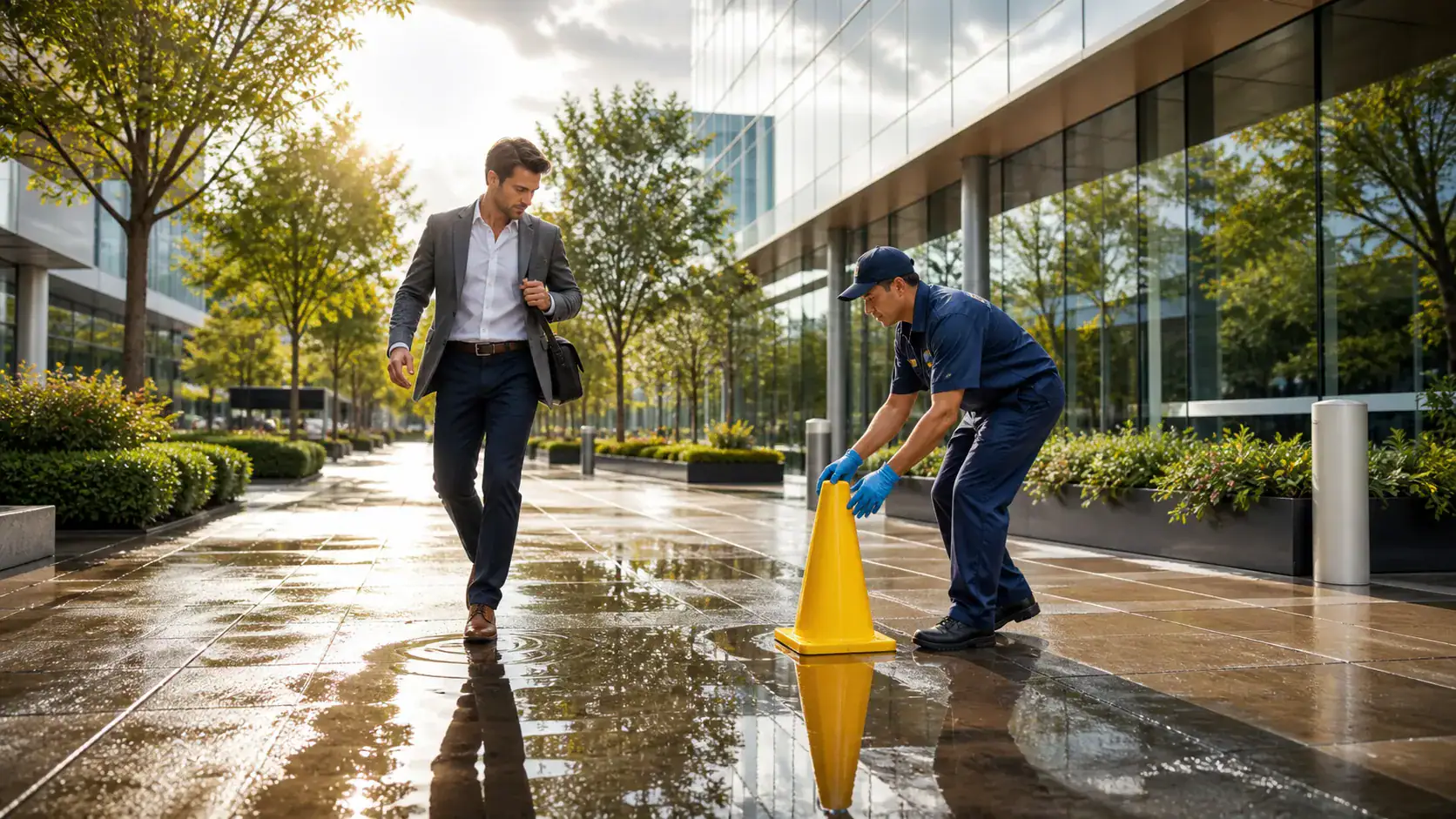
In Saratoga, rainy November weather, wet leaves, early sunsets, and slick walkways can make hazards harder to see. A property owner may quickly dry a floor, clear leaves, move a rug, or block off an area. Photos can capture the exact condition, lighting, and surroundings in ways an incident report may not. If you later search for a slip and fall attorney near me, these images may help us evaluate what happened.
If it is safe, photograph the dangerous condition from several distances and angles. A close-up may show texture, standing water, debris, cracks, or worn material. A wider image can show where the hazard was located and how it affected the normal walking path.
Try to capture the condition before someone cleans, dries, repairs, cones off, or blocks the area. Footprints, tire tracks, water flow, leaf buildup, or a trail of moisture may help show how the problem developed.
Helpful photos may include:
Context matters. A photo of a wet spot alone may not show whether it was near an entrance, on a common walkway, or beside a stairway. Those surrounding details can help us consider whether the property owner had a responsibility to inspect and maintain that area.
Do not trespass, argue with the owner, or return alone just to take more photos after you have left. Evidence is helpful, but your safety matters more.
Photos of your immediate condition can also be useful because bruising, swelling, cuts, and redness may change quickly. Take pictures of visible injuries as soon as reasonably possible, then continue documenting them over the following days if they become more noticeable.
Pictures do not replace prompt medical care. After a head injury, severe pain, numbness, trouble walking, or a possible fracture, focus on getting appropriate medical attention instead of trying to gather evidence.
It may also help to photograph and save:
Avoid washing, throwing away, or repairing these items before they are documented. Store them somewhere safe. Medical records, bills, and treatment recommendations may also matter when we review an injury claim.
A fall does not automatically mean a private property owner is responsible. Photos may help show whether a dangerous condition existed, whether it was hard to see, and whether reasonable safety measures were missing.
Take pictures of signs, cones, barriers, mats, stairs, ramps, curbs, handrails, and lighting near the fall location. If there were no warnings around a wet or damaged area, images of the full setting may be more useful than a close-up alone.
November rain can also expose problems that were already present. Consider photographing clogged drains, roof runoff, leaking sprinklers, broken gutters, uneven pavement, or landscaping that leaves debris across a walkway. These features may help explain why water or leaves collected where people were expected to walk.
Photos taken from the direction you were walking can be especially informative. They may show whether shadows, poor lighting, wet leaves, or another obstruction concealed the hazard. When someone asks us for help as a slip and fall attorney in Los Gatos, we look closely at what a visitor could reasonably see before the fall.
Pictures are only part of the record. As soon as you can, write down the date, time, address, exact fall location, weather, lighting, footwear, and what happened right before and after the incident. Keep the report factual. You do not need to guess who was at fault or accept blame.
Witnesses and video can be time-sensitive. Get names and contact information from anyone who saw the fall, noticed the hazard, or knew about earlier problems in the same spot. If security cameras may have recorded the area, promptly ask the owner or manager to preserve relevant footage.
Save incident reports, emails, text messages, medical paperwork, and photos in more than one place. At Caputo & Van Der Walde LLP, we represent injured people in Saratoga, Santa Clara County, and throughout Northern and Southern California. A few timely photos and clear notes can still be meaningful, even if you could not document every detail at the scene.
Private-property conditions can change fast, especially after rain or when an owner repairs the area. Preserve what you have, follow through with medical care, and do not rely only on verbal assurances that the incident was reported or the hazard will be fixed.
You do not need perfect photographs to begin protecting the facts. A clear picture of the scene, your footwear, visible injuries, and a simple written timeline may help preserve the details of your fall before they fade or disappear.
Caputo & Van Der Walde LLP can assess how the conditions on private property may affect your claim and explain the options available to you. Speak with a slip and fall attorney in Los Gatos who can help evaluate the circumstances of your accident. To discuss your situation with our team, contact us today.







As members of the Multi-Million Dollar Advocates Forum® and the Million Dollar Advocates Forum®, we have proven our ability to negotiate and litigate on behalf of our clients successfully. Retain us to put our tactical strategies to work for you. These skills are what make our legal team such a formidable opponent in any courtroom or negotiation setting.