$ 4250000
Motor Vehicle Accident

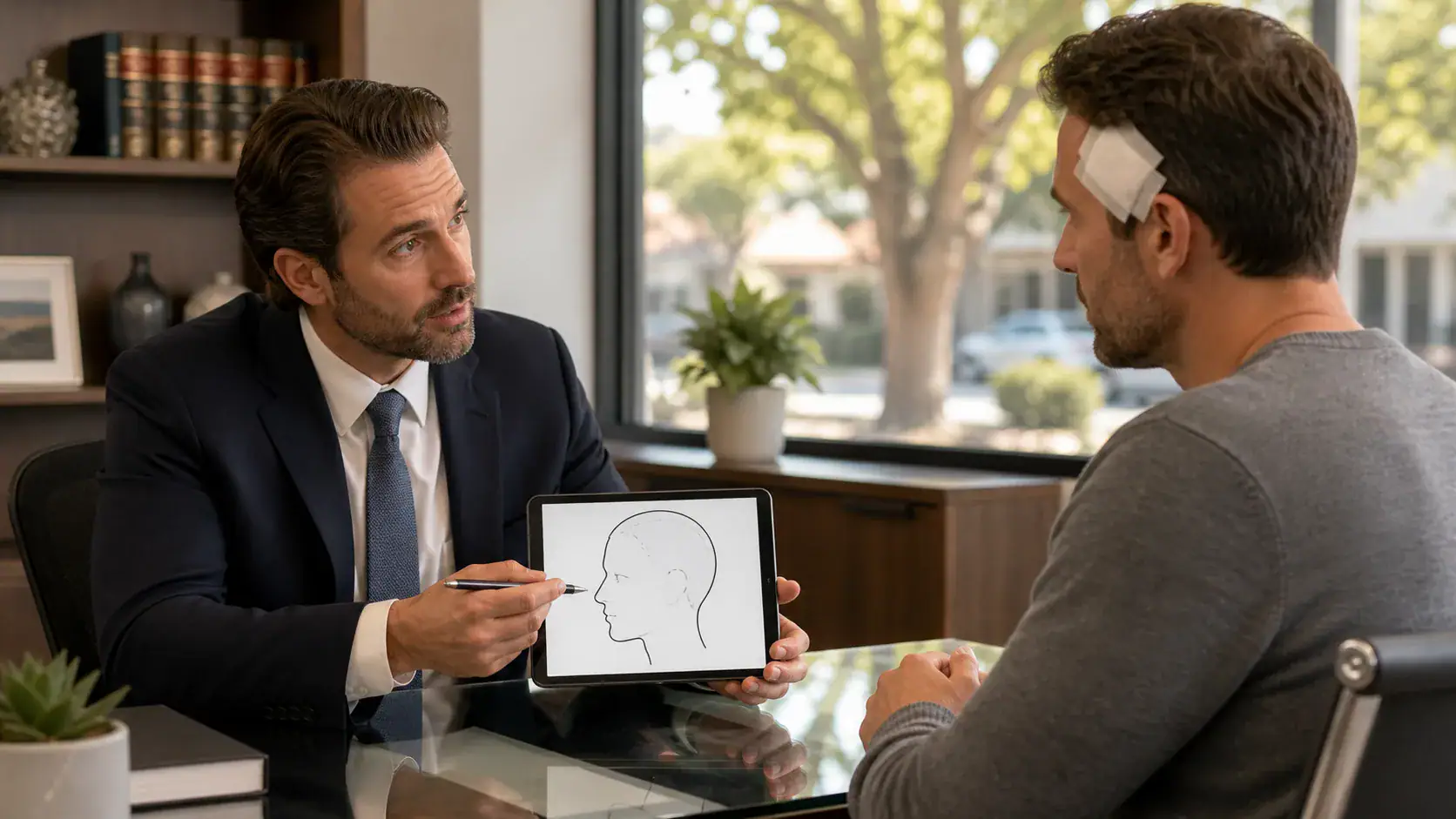
Mood changes after a head injury can be as serious as headaches, memory loss, or balance problems. Someone who was usually patient, cheerful, and focused may become irritable, anxious, withdrawn, impulsive, or unusually emotional after an accident.
Loved ones often notice these shifts before the injured person does. During the fall, shorter days, holiday demands, and Halloween activities can add stress, making it easier to dismiss symptoms as a bad day or a normal reaction to a frightening crash. We encourage you to take new emotional or behavioral changes seriously after any blow to the head.
The brain helps control emotions, judgment, behavior, memory, and attention. When a crash, fall, bicycle collision, pedestrian accident, or other impact disrupts the brain, a person’s feelings and reactions may change in ways that are confusing for them and their family.
We often see that concussion and traumatic brain injury symptoms differ widely from one person to another. Emotional and behavioral signs may include:
Symptoms may include headaches, dizziness, fatigue, sleep problems, light sensitivity, trouble concentrating, or memory difficulties. Still, no single mood change proves that a person has a brain injury. Pain, medication side effects, financial strain, and the trauma of an accident can affect how someone feels.
What matters is the timing. If emotional changes began after an accident, we recommend sharing them with a medical provider. Honest reporting can help a physician evaluate whether a concussion or another injury may be involved.
A person may feel fairly normal at the scene of an accident, especially when adrenaline is high. Hours, days, or even weeks later, headaches, sleep disruption, difficulty focusing, and personality changes may become more noticeable. That delayed pattern can make it harder for families to connect the symptoms to the original impact.
Some warning signs need immediate emergency evaluation. Seek urgent care if the injured person has worsening headaches, repeated vomiting, increasing confusion, slurred speech, seizures, weakness, numbness, unusual drowsiness, or loss of consciousness.
After the immediate medical concerns are addressed, follow-up care can matter. Tell a physician, neurologist, therapist, or other appropriate provider about every symptom, including fear, anger, emotional outbursts, sadness, and personality changes. These records can show how the injury affects daily life, relationships, and the ability to work.
A simple symptom journal can help you and your treating providers see patterns that may otherwise be forgotten. You do not need to write pages each day. Brief, honest notes can provide a clearer picture of what life has been like since the accident.
Consider recording:
Family members, friends, coworkers, and supervisors may also have helpful observations. They may notice that you are more forgetful, impatient, distant, or overwhelmed than before. Their firsthand accounts can help explain the difference between your life before and after an accident.
In a personal injury claim, mood changes may be part of the non-economic harm caused by an injury, along with pain, emotional distress, loss of enjoyment of life, and strain on close relationships. Documentation may also help show why therapy, ongoing medical care, missed income, or reduced work ability became necessary.
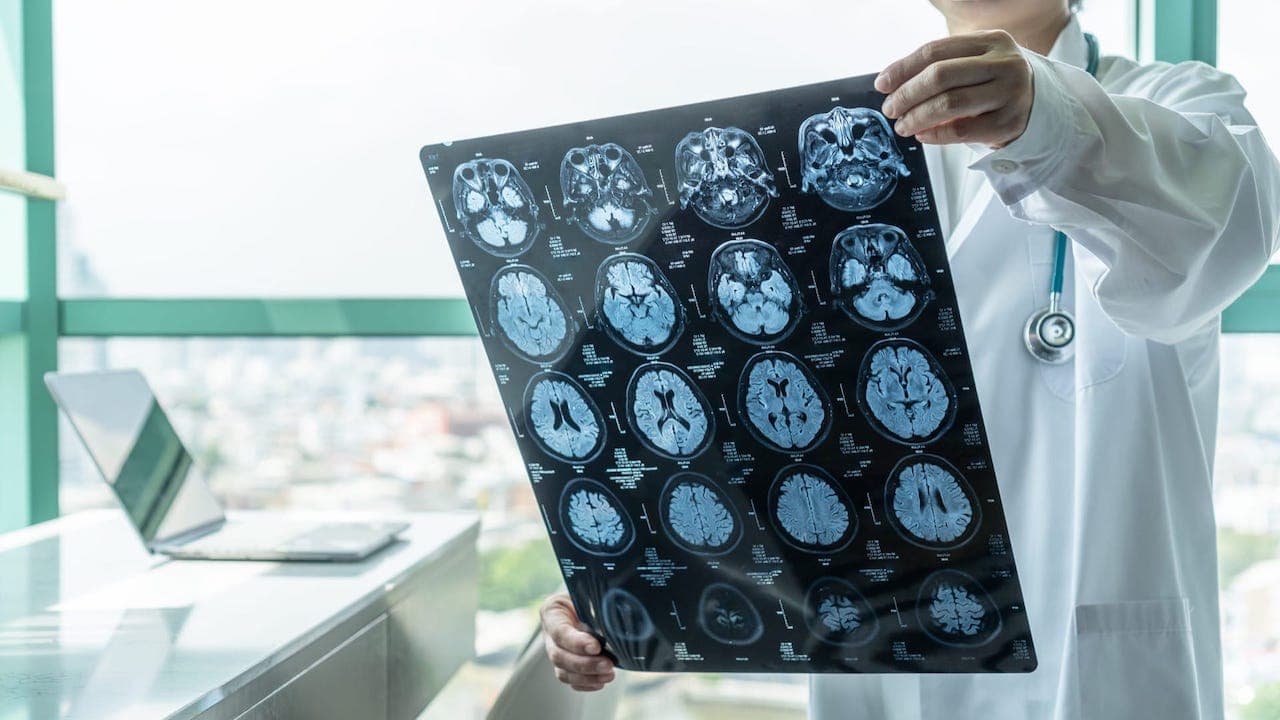
Brain injury claims can be difficult because the most serious effects are not always visible on an X-ray or apparent on the day of the accident. Insurance companies may question symptoms that appear later or minimize emotional changes as unrelated stress. A brain injury lawyer in Sunnyvale can help investigate what happened and present the full effect of the injury.
Evidence may include accident reports, photographs, video footage, witness statements, medical records, treatment recommendations, employment records, and symptom journals. Accounts from people who observed behavioral changes can also help show how the injury has affected your daily functioning.
At Caputo & Van Der Walde LLP, we represent people harmed in serious accidents in Santa Clara County, throughout Northern California, and in appropriate cases in Southern California. We can assess whether another party’s negligence may have contributed to the accident and pursue compensation for accident-related medical expenses, lost wages, pain and suffering, and other losses.
Don’t ignore or explain away mood changes after a Sunnyvale head injury; seek medical attention. They may signal that the brain needs care and that the accident caused harm that was not obvious at first.
Prioritize your health, follow medical guidance, and preserve records of every change you experience. Clear medical documentation and honest observations from the people close to you can help ensure that emotional and behavioral symptoms are recognized as part of the injury’s real impact.
Caputo & Van Der Walde LLP can assess how mood and behavioral changes may affect your injury claim and your future. Speak with a brain injury lawyer in Sunnyvale who understands the challenges these symptoms can create. To discuss your situation with our team, contact us for a consultation.







As members of the Multi-Million Dollar Advocates Forum® and the Million Dollar Advocates Forum®, we have proven our ability to negotiate and litigate on behalf of our clients successfully. Retain us to put our tactical strategies to work for you. These skills are what make our legal team such a formidable opponent in any courtroom or negotiation setting.