$ 3000000
Personal Injury

A spinal cord injury can change the value and direction of a San Jose accident claim. These injuries may affect movement, feeling, independence, work, and everyday routines for a long time. While a serious diagnosis does not automatically mean a longer recovery, the full impact of the injury should be clearly shown.
At Caputo & Vanderwalde LLP, we understand that families are often focused first on medical care and stability. At the same time, early decisions about evidence, insurance communications, and treatment records can shape what a claim can show later.
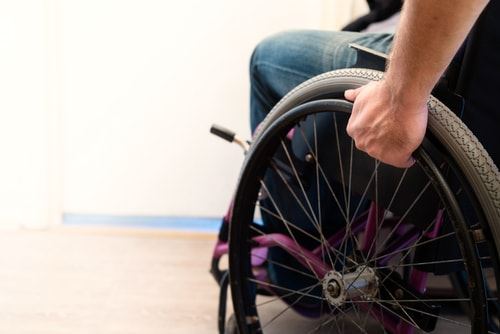
Spinal cord damage differs from an injury expected to heal after a few weeks or months. Depending on the location and severity of the damage, you may face changes in mobility, pain levels, sensation, balance, hand function, or your ability to handle personal tasks without help.
October can also bring changing driving conditions around San Jose. Shorter daylight hours and the return of wetter weather may affect visibility and roadway conditions. A spinal cord injury may result from a car crash, bicycle collision, pedestrian accident, fall, or another harmful event. The facts of that event matter because they can affect who may be responsible and what insurance coverage may apply.
When we review a catastrophic injury matter, we look beyond the first hospital bill. A spinal cord injury lawyer in San Jose can help identify the full scope of losses, preserve available evidence, communicate with insurers, and consider whether an offer accounts for both present and future needs.
The medical costs after a spinal injury can begin immediately and continue well beyond the emergency phase. Records may show bills already incurred, but a complete claim should also consider reasonable future care.
Common areas of loss may include:
Not every person with a spinal cord injury will need the same support. Some people may improve with treatment, while others may require ongoing help with transportation, personal care, or household tasks. The individual medical outlook matters far more than a generic estimate of injury severity.
Work losses can be just as significant. You may miss time from work during treatment, return with restrictions, need reduced hours, or be unable to perform the same kind of job. In some matters, vocational and economic information can help explain how the injury affected past earnings and future employment opportunities. We may review this information when the facts call for a clearer picture of diminished earning capacity.
A claim’s value is not based only on how serious the diagnosis sounds. There must also be reliable evidence connecting the spinal cord injury to the crash, fall, or other incident. Insurers may question the cause of an injury, especially if they believe symptoms were related to an earlier condition.
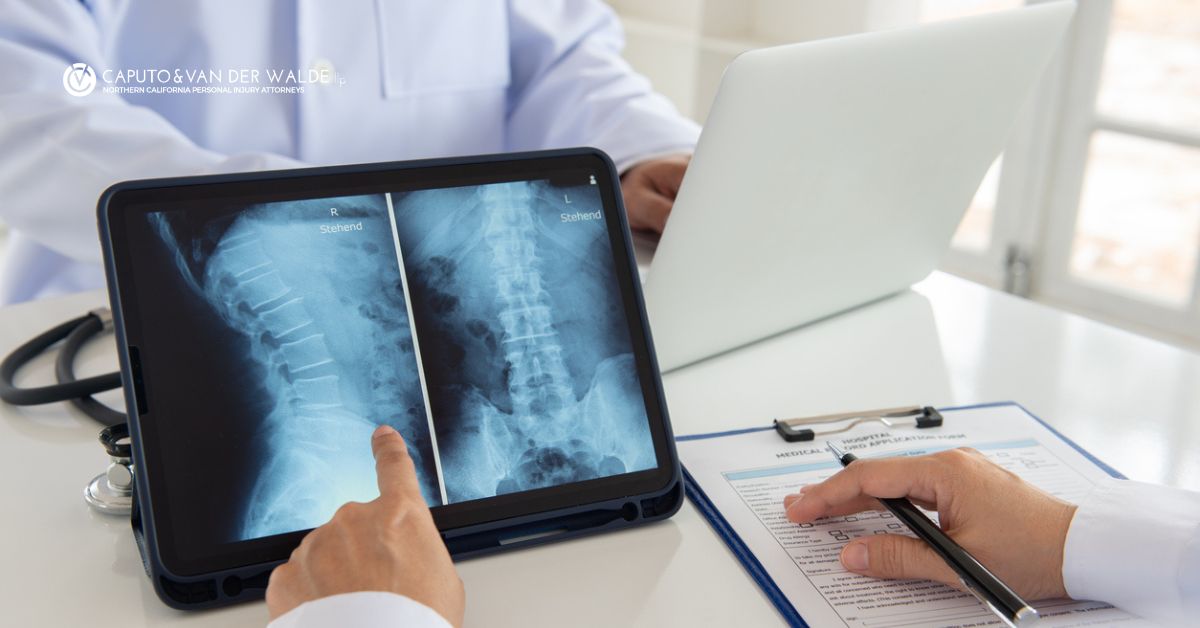
Helpful documentation can include emergency reports, medical records, diagnostic imaging, specialist opinions, treatment plans, and rehabilitation notes. Together, these records may help show the nature of the injury, when symptoms appeared, and how care has progressed.
Symptoms can change over time, particularly with incomplete spinal injuries. Consistent documentation may help explain limitations involving:
Daily limitations matter, too. Difficulty caring for children, preparing meals, driving, sleeping, attending appointments, or returning to familiar activities can significantly affect quality of life. We may work with medical professionals, life care planners, vocational specialists, and economists when needed to evaluate future treatment needs and financial losses.
California’s comparative fault rules can affect the amount a person may recover. If an insurer or opposing party argues that you contributed to a collision or fall, your assigned share of fault may reduce your recovery. That makes early fact gathering important.
Photos, witness accounts, vehicle damage, video footage, scene evidence, and accident reconstruction may all help clarify what happened. In a fall case, property conditions, maintenance records, and reports of prior concerns may also be relevant.
Insurance coverage can create another practical limit. Even when an injury is catastrophic, an at-fault person or business may have limited coverage. We review whether other sources could be involved, such as uninsured or underinsured motorist benefits, employer-related coverage, commercial policies, umbrella policies, or other responsible parties.
Some cases bring added rules and deadlines. Claims involving government entities, commercial vehicles, unsafe property, or defective products may require prompt attention. Trucking and business-related collisions, for example, can involve records or electronic data that may not remain available indefinitely.
After a catastrophic injury, evidence can disappear faster than many people expect. Surveillance video may be overwritten, damaged vehicles may be repaired or discarded, and witnesses may forget details. Road conditions can change, while electronic communications, maintenance documents, and vehicle data may be harder to obtain later.
Insurance companies may also request recorded statements, broad medical authorizations, or an early settlement before the long-term medical picture is known. Accepting or evaluating an offer too soon can be risky when treatment needs and daily limitations are still developing.
Our team can help organize medical records, assess available insurance coverage, and pursue a claim through negotiation or litigation when appropriate. We evaluate catastrophic injury matters in Santa Clara County, throughout Northern California, and in select Southern California cases.
The value of a spinal cord injury claim should reflect the individual losses involved, including medical care, future support, lost income, pain, emotional harm, and changes to daily life. Each matter depends on the medical evidence, proof of fault, available coverage, and legal options.
Prompt legal guidance may be particularly helpful when the injury is severe, liability is disputed, or an insurer is pressuring you to settle. Taking action early can help preserve evidence, identify deadlines, and give you a clearer understanding of the issues that may affect your claim.
At Caputo & Van Der Walde LLP, we can help you assess how a spinal injury may affect the compensation available in your case. Speak with a spinal cord injury lawyer in San Jose to discuss the medical, financial, and personal consequences of your injury. To arrange a conversation with our team, contact us today.






As members of the Multi-Million Dollar Advocates Forum® and the Million Dollar Advocates Forum®, we have proven our ability to negotiate and litigate on behalf of our clients successfully. Retain us to put our tactical strategies to work for you. These skills are what make our legal team such a formidable opponent in any courtroom or negotiation setting.