$ 1000000
Motor Vehicle Accident

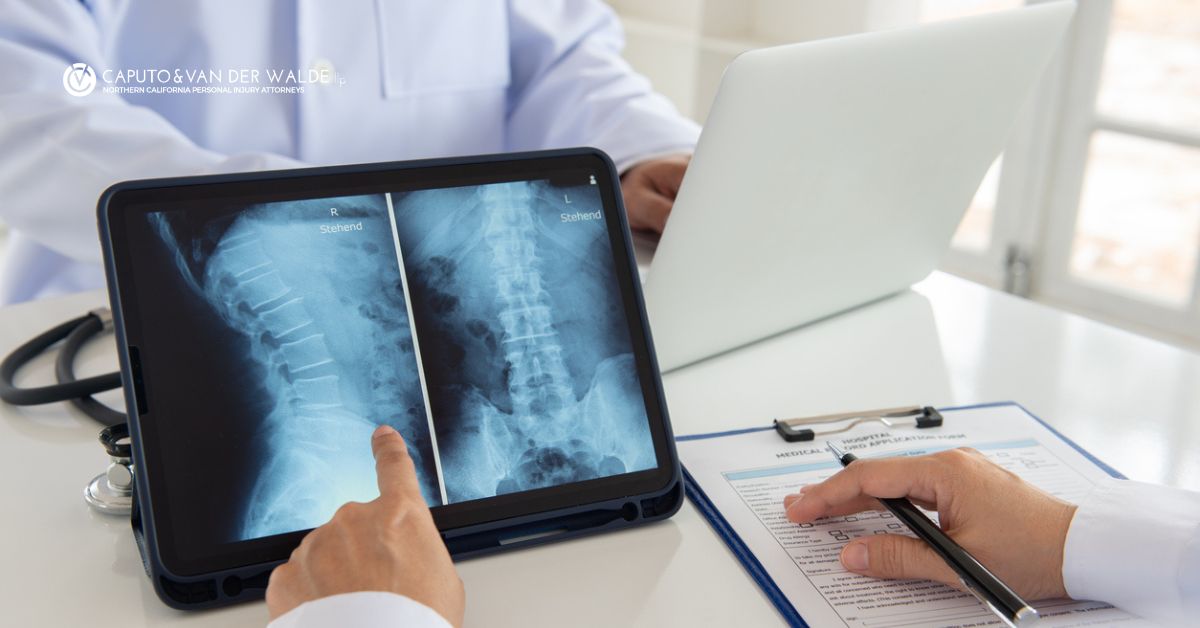
Partial numbness after a crash, fall, or other accident deserves attention, even if you can still walk and move around. Tingling, reduced feeling, or weakness can point to a problem involving the nerves, discs, or spinal cord. We want you to understand why these symptoms matter for both your health and a potential spinal injury claim in Palo Alto.
At Caputo & Van Der Walde LLP, we know that serious injuries do not always look serious at first. A symptom that seems small on the day of an accident can eventually interfere with work, sleep, driving, and everyday independence.
Numbness should not be dismissed as simply the result of a body part ‘falling asleep.’ After a vehicle collision, slip and fall, sports incident, or other trauma, it may be linked to nerve damage, a herniated disc, spinal cord compression, or another spinal injury. You do not need to have complete paralysis for an injury to be serious.
Symptoms may show up in a hand, foot, arm, or leg, or on one side of the body. You might notice pins and needles, burning, weakness, or a reduced ability to feel touch or temperature. We encourage you not to brush off these changes simply because you can still walk or use the injured area.
Some warning signs require immediate medical attention:
Swelling, inflammation, or internal bleeding can place pressure on spinal structures after the initial event. Because of that, numbness may begin immediately or may appear hours or days later. This is general information, not medical or legal advice. A qualified medical professional can assess symptoms and determine the right care.
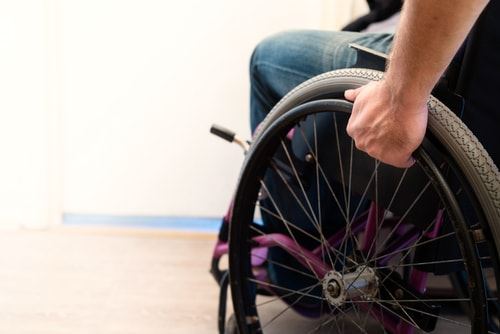
An incomplete spinal cord injury can affect only certain nerve pathways. Rather than causing a complete loss of movement, it may leave you with numbness in one area or weakness that comes and goes. Still, those symptoms can make ordinary tasks much harder than they used to be.
For example, partial numbness may interfere with typing, holding a cup, using tools, climbing stairs, or driving safely. A foot that does not fully respond may affect balance. A numb hand may make it difficult to button clothing, prepare meals, or care for a child. We often see how a symptom that sounds minor on paper can change a person’s whole routine.
Shock and adrenaline can also hide pain and sensory problems in the hours after an accident. During Northern California’s wetter fall and winter months, people involved in rain-related crashes, holiday travel collisions, or slip-and-fall incidents may not feel the full effect of an injury until after they leave the scene.
Prompt follow-up care can make a difference for your health and for the record of what happened. Medical documentation may include:
When symptoms begin later, clear records can help show when numbness started, how it progressed, and how it affected daily life.
For a spinal trauma claim, showing that numbness exists is only one part of the picture. We generally need to show that another person or business acted carelessly, that their conduct caused the accident, and that the accident caused or worsened the spinal condition.
Medical records are often a key part of that work. They can document your symptoms, diagnosis, treatment plan, and the connection your doctors see between the trauma and your condition. The sooner you accurately report numbness and related symptoms, the more complete those records may be.
Other evidence can also help us understand the accident and its aftermath, including:
Insurance companies may claim that numbness came from aging, diabetes, a prior injury, or an unrelated condition. A spinal cord injury attorney in Palo Alto can review the medical history and other evidence to address those arguments. A prior condition does not automatically prevent a claim if an accident made that condition worse or caused additional limitations.
Partial numbness can affect far more than the injured body part. It can make standing at work painful, lifting unsafe, driving stressful, or sleep difficult. Even symptoms that come and go may limit your ability to perform tasks reliably, which can affect earning ability and quality of life.
Depending on the facts, a California personal injury claim may seek compensation for losses related to the injury. We look at the full impact, not just the first medical bill. Compensation may cover past and future medical expenses, rehabilitation, medication, assistive devices, lost income, reduced earning ability, pain and suffering, and loss of enjoyment of normal activities.
Serious spinal injuries often require a long-term view. Future needs may include ongoing therapy, more testing, home changes, help with daily tasks, or work changes if numbness and weakness continue. A spinal cord injury attorney in Palo Alto may also consider whether symptoms could worsen over time and how that risk may affect a person’s future.
We encourage you to seek medical evaluation as soon as possible and follow the treatment plan you receive. Be honest about every symptom, including numbness that comes and goes. It is better to report a concern than to minimize it because you do not yet have a full diagnosis.
Keeping organized records may also be useful. Save photos, insurance letters, medical bills, records of missed work, and incident reports. A symptom journal can help you track where numbness occurs, how long it lasts, what makes it worse, and how it affects work and home life.
California deadlines can limit the time available to pursue compensation, and claims involving government entities may have much shorter deadlines for submitting a claim. Early medical care, accurate records, and timely legal guidance can help protect both your well-being and your ability to explain how the accident changed your life.
At Caputo & Van Der Walde LLP, we help people understand their legal options after their spinal injury has affected sensation, mobility, or independence. Speak with a spinal cord injury attorney in San Jose who can evaluate the circumstances of your injury and the losses it has caused. If you are ready to discuss your situation, contact us to arrange a consultation with our team.






As members of the Multi-Million Dollar Advocates Forum® and the Million Dollar Advocates Forum®, we have proven our ability to negotiate and litigate on behalf of our clients successfully. Retain us to put our tactical strategies to work for you. These skills are what make our legal team such a formidable opponent in any courtroom or negotiation setting.