$ 1000000
Motor Vehicle Accident

Fog can change how a Mountain View crash is investigated, but it does not automatically excuse the driver who caused it. Dense morning fog and low clouds can make it hard to spot brake lights, crosswalks, stopped vehicles, and lane markings until it is too late.
When visibility drops, drivers must change how they drive. We often look closely at whether each person took reasonable steps for the conditions, rather than treating fog as the whole explanation for a serious collision.
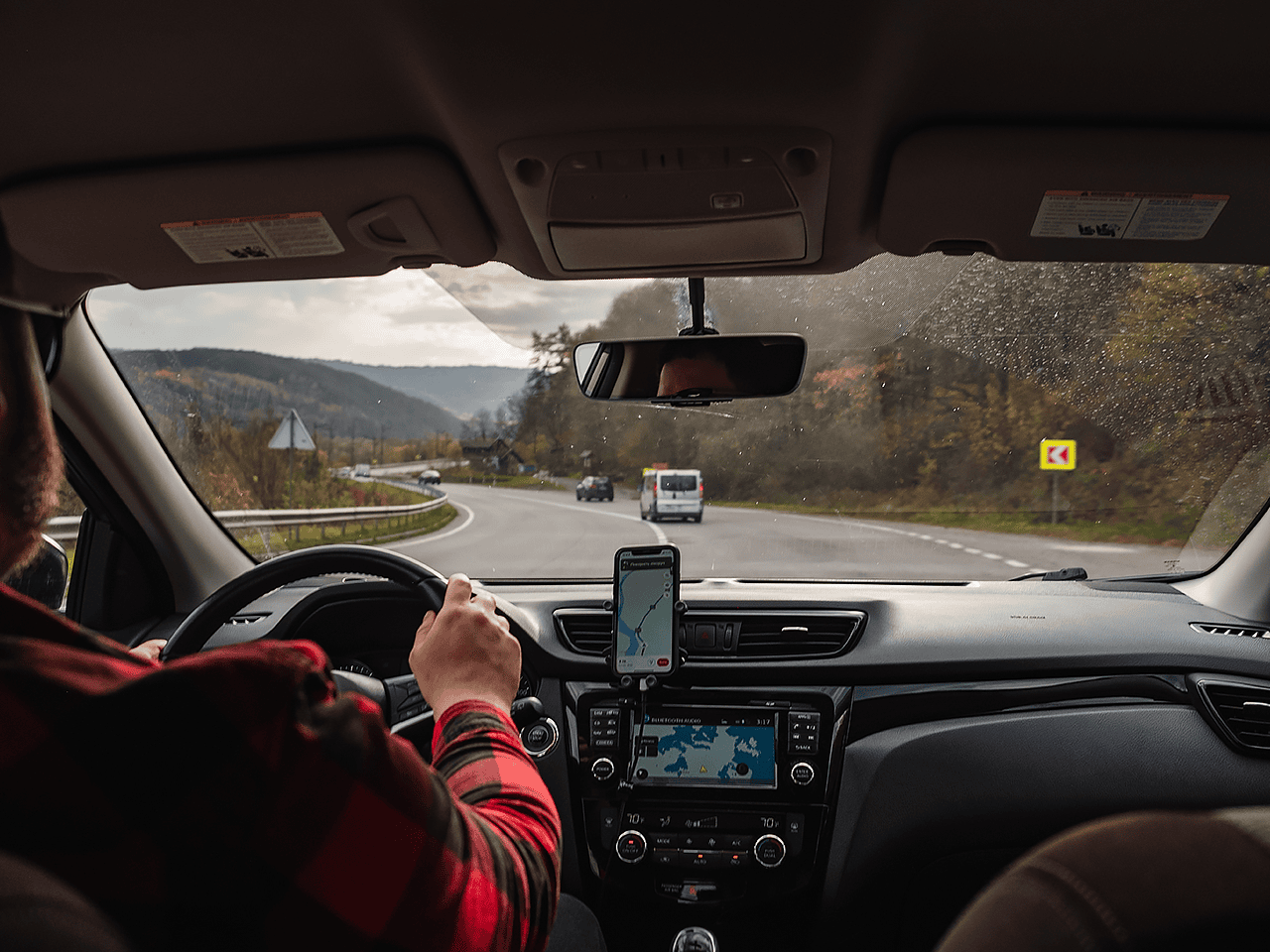
Fog-related crashes can happen in seconds. A driver may come upon slow traffic, a stalled car, a cyclist, or a pedestrian with very little warning. Roads near Highway 101, Interstate 280, El Camino Real, Central Expressway, and neighborhood streets can each bring different risks when drivers cannot see far ahead.
Common collisions in low visibility include:
Still, fog alone does not decide fault. Police, insurers, and courts may consider the distance a driver could see, the flow of traffic, vehicle lights, speed, following distance, road design, and what each driver did before impact.
A driver who knows visibility is poor may need to slow down, leave more space, and avoid quick or careless moves. The question is often simple: did that driver respond as a reasonably careful person would under the same conditions?
California’s basic speed law requires motorists to drive at a speed that is reasonable and prudent for the conditions. That means a driver can be traveling below the posted limit and still be driving unsafely if fog makes that speed too fast.
In many fog crashes, we examine whether the driver could stop within the distance they could see ahead. If a person drives into a wall of fog without reducing speed, they may not have enough time to react when traffic is stopped ahead. This issue comes up often in rear-end collisions, freeway entrance and exit crashes, construction areas, and crowded intersections.
Following distance matters just as much. Leaving only a few car lengths between vehicles may seem normal on a clear day, but it can be dangerous when brake lights are hard to see. A driver who follows too closely may be unable to brake safely when traffic suddenly slows.
Safe choices in fog may include:
Conditions can change quickly after a crash. Fog may lift before an officer arrives or before a vehicle is towed, which is why photographs and video from the scene can be especially meaningful. They may help show how far a driver could actually see at the time of impact.
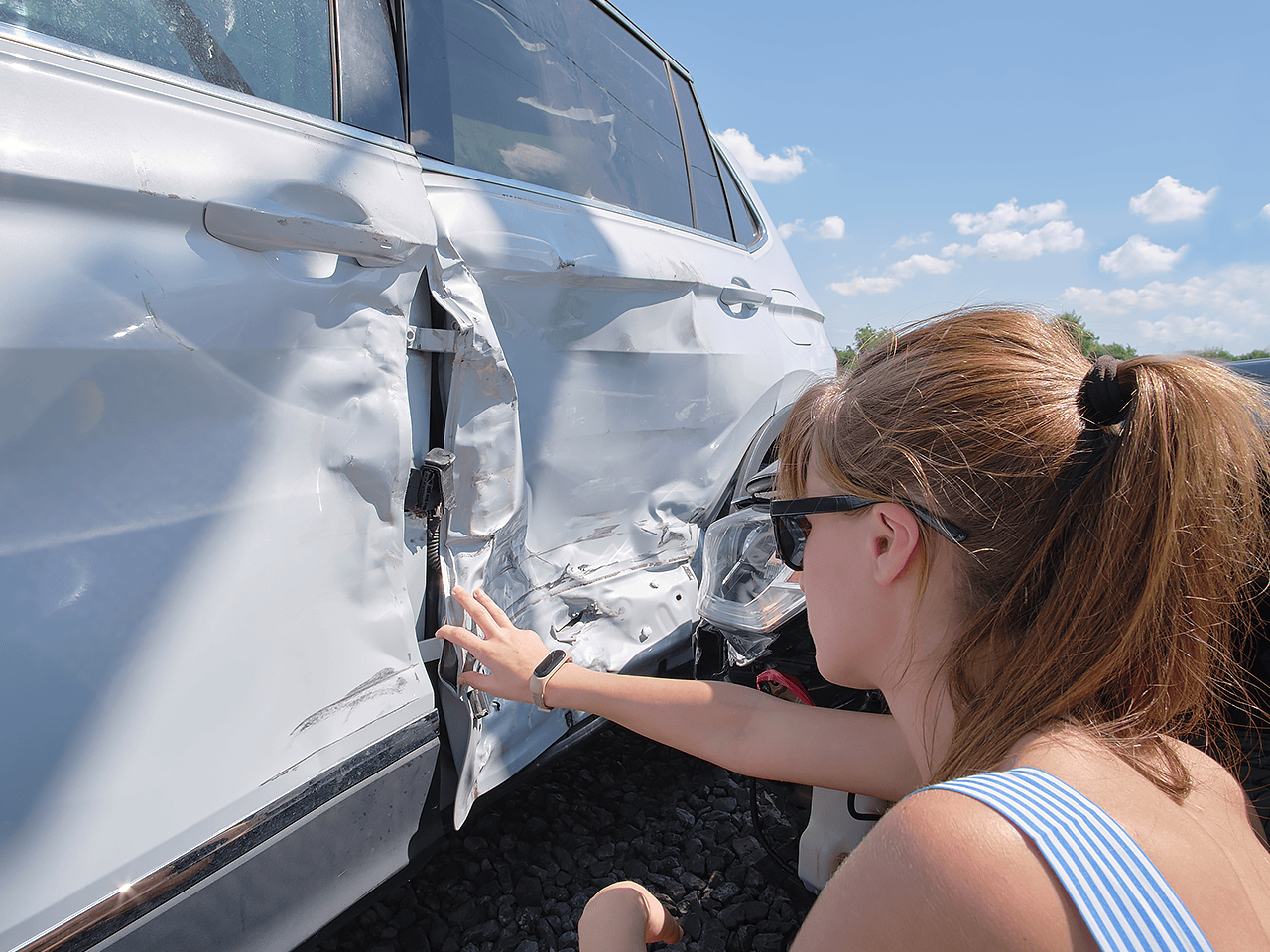
Evidence in a fog-related case may include police reports, witness statements, dashboard camera footage, nearby surveillance video, traffic camera footage, weather records, and pictures of the roadway. Vehicle damage can also tell part of the story. The angle and force of an impact may help explain whether a driver braked, changed lanes, or struck another vehicle without reacting.
In more serious cases, physical evidence may provide a clearer timeline. Skid marks, scene measurements, vehicle data, and accident reconstruction can help identify speed, braking, direction of travel, and the order of impacts. That information may challenge an insurer’s claim that the collision was unavoidable simply because fog was present.
A car accident attorney in Mountain View can help preserve evidence before it disappears. Early legal guidance may be especially important when a crash caused catastrophic injuries or the loss of a loved one, since there may be several vehicles, insurers, and competing accounts of what happened.
More than one person can share responsibility for a fog-related accident in California. Under the state’s comparative negligence system, a person’s share of fault can affect the compensation they may recover, but making a mistake does not automatically end a claim.
For example, one driver may have been speeding despite poor visibility while another changed lanes without signaling. Or a vehicle may have had malfunctioning lights while another driver followed too closely. A careful investigation should look at all of those facts instead of placing blame on the person who was injured simply because they were involved in the crash.
Insurance companies may argue that an injured person braked too suddenly, drove too fast, or should have avoided the collision. We know those arguments need to be tested against the evidence, including visibility, traffic patterns, vehicle damage, and witness accounts.
Other parties may also be involved. A commercial vehicle company could bear responsibility if its driver was poorly trained or pressured to follow an unsafe schedule. A public entity or contractor may be relevant when poor road design, missing signs, inadequate lighting, or an unaddressed roadway hazard contributed to the crash. Claims involving government entities can involve special rules and deadlines.
A police report can be useful, but it is not always the final word on fault. When we review a serious accident, we look beyond the first explanation offered at the scene. Medical records, lost income, future care needs, available insurance coverage, and every potentially responsible party can all matter.
Speaking with a lawyer may be particularly helpful after a crash involving traumatic brain injury, spinal cord injury, fractures, pedestrian injuries, multiple vehicles, an uninsured driver, a commercial truck, or a fatality. These cases can quickly become complicated when drivers disagree about how much they could see in the fog.
At Caputo & Van Der Walde LLP, we represent people harmed in serious accidents, catastrophic injury cases, and wrongful death claims in Santa Clara County and throughout Northern California, while also accepting cases in Southern California. Our approach is centered on listening to what happened, investigating carefully, and helping clients understand their available options without promising a particular outcome.
After a fog-related crash, seek medical care and follow the treatment recommendations you receive. Keep photographs, vehicle information, medical paperwork, repair records, and any messages connected to the collision. It is also wise to be careful about recorded statements requested by another insurer and about sharing crash details on social media before you understand how those statements may be used.
Fog may explain why a road felt dangerous, but it does not erase a driver’s duty to act carefully. Preserving the facts early can make a real difference when the question becomes whether another person failed to slow down, leave enough space, use proper lights, or pay attention to the road ahead.
Caputo & Van Der Walde LLP can review the circumstances of your crash and help you understand the legal options available to you. Speak with a car accident attorney in Mountain View about how the evidence may affect your claim. To discuss your situation with our team, contact us for a consultation.



As members of the Multi-Million Dollar Advocates Forum® and the Million Dollar Advocates Forum®, we have proven our ability to negotiate and litigate on behalf of our clients successfully. Retain us to put our tactical strategies to work for you. These skills are what make our legal team such a formidable opponent in any courtroom or negotiation setting.