$ 500000
Motor Vehicle Accident

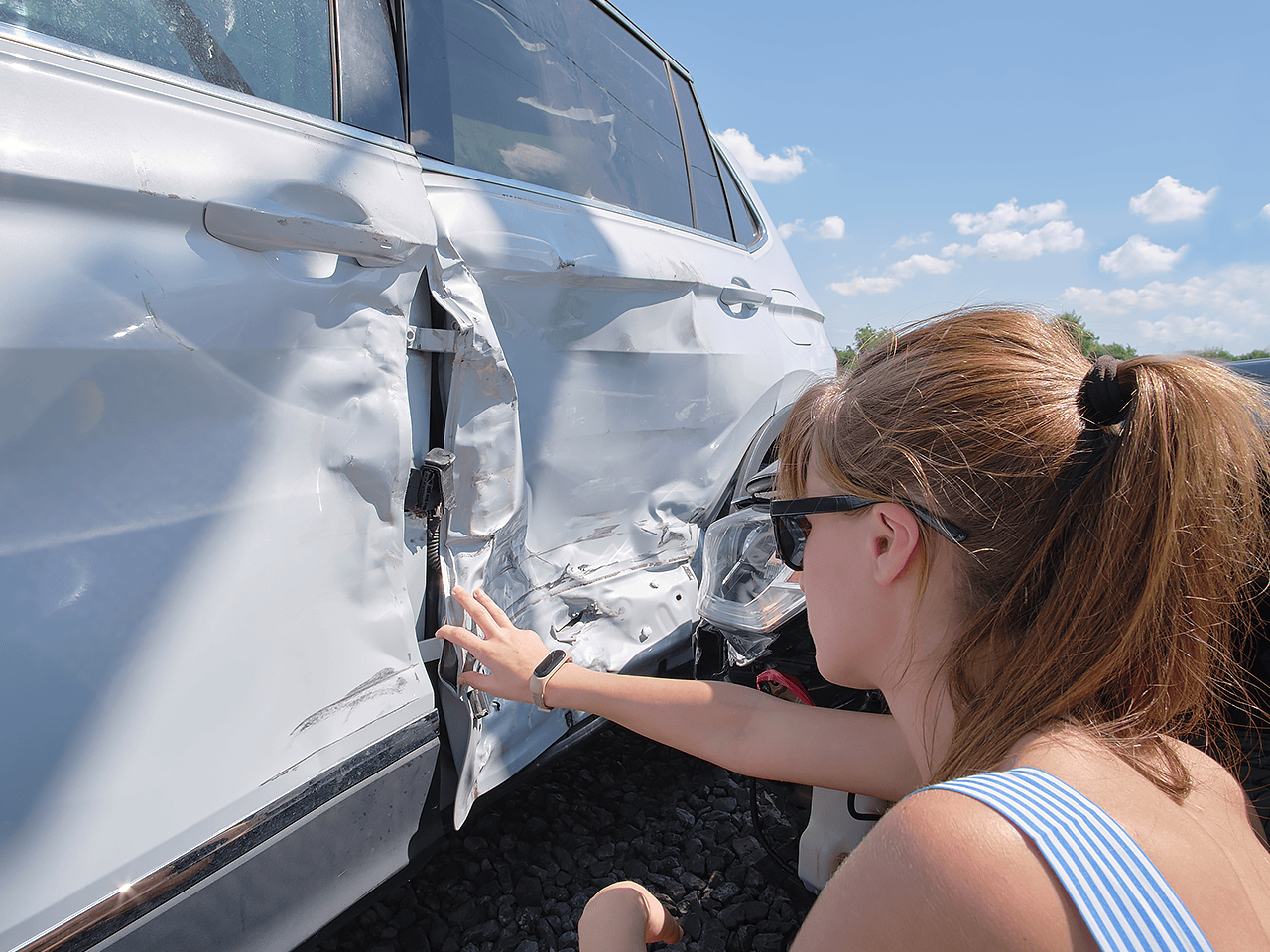
A damaged vehicle may tell an important part of the story after a collision. The impact location, broken parts, deployed airbags, tire condition, and onboard data can all help show how a crash happened and how forceful it was. Yet this evidence can disappear quickly once a vehicle is towed, repaired, sold, or sent to salvage.
At Caputo & Van Der Walde LLP, we encourage injured people to put their health first while taking reasonable steps to protect the vehicle and records connected to the wreck. During fall, shorter daylight hours, low sun glare, and the return of wet roads in Santa Clara County can make details like headlights, tires, brakes, and crash data especially meaningful.
Tow yards, insurance companies, body shops, and salvage facilities often have their own schedules. A vehicle may be moved several times in the days after a crash. If repairs begin, the original damage will be changed. If the vehicle is declared a total loss and released for salvage, it may become impossible to inspect it later.
That is why fast action matters. You do not need to make every decision at the crash scene, especially when you are hurt or shaken up. Still, we recommend being careful about paperwork that gives someone permission to repair, dismantle, sell, or dispose of your vehicle before there is a chance to preserve the evidence.
Early guidance from a car accident lawyer in Sunnyvale can help you identify what may need protection. Depending on the facts, we may help communicate with insurers and other parties so the vehicle is not altered before a proper inspection can occur.
Medical care and personal safety always come first. If you are able to safely document the scene, however, photos and videos can preserve details that may be gone by the time vehicles are moved. If you cannot do it yourself, a trusted family member or friend may be able to help.
Try to capture both the big picture and close details. Multiple angles often provide more context than one photo taken from a single spot. Useful images may include:
Towing information matters, too. Ask for the tow company’s name, phone number, storage location, tow authorization number, and any instructions about picking up personal belongings. Storage fees and retrieval deadlines may apply, so keeping these details in one place can prevent later confusion.
Before leaving the scene or hospital, save the documents created that day. Keep the police report number, driver and insurance information, witness contact details, medical transport records, and towing receipts. Avoid signing broad repair or salvage authorizations unless you understand what they allow.
Getting your car repaired quickly may feel urgent when you need transportation for work, school, appointments, or family responsibilities. Still, even well-meaning repairs can erase physical proof of what happened. Replacing a bumper, removing an airbag, repairing a seat belt, or changing damaged tires may alter evidence that later becomes important.
Important details about the crash can be revealed by the vehicle’s post-crash condition. A careful inspection may look at structural damage, paint transfer, bumper height, broken lights, tire tread, brake parts, steering components, and intrusion into the passenger area. These details may relate to fault or to the seriousness of the impact.
A total-loss decision deserves the same care. When an insurer says a vehicle is a total loss, it may want possession so the vehicle can be auctioned or sent to a salvage facility. A property-damage payment does not always mean you must immediately allow the vehicle to be destroyed. We recommend asking about all deadlines, keeping copies of messages, and getting clear information before releasing title or authorizing disposal. Additionally, if there’s any dispute over liability, downloading the information in the automobile’s onboard computer system can be very useful.
If you need another way to get around, keep records of rental vehicles, rideshares, public transit, and other substitute transportation. In some situations, an inspection can happen before repairs move forward. The right timing depends on the crash and the evidence involved.
Modern vehicles may hold evidence beyond what can be seen from the outside. Maintenance receipts, recent repair invoices, and records of warning lights or mechanical concerns may help explain the vehicle’s condition before the collision. Do not throw away paperwork simply because it seems unrelated at first.
Many vehicles also contain an event data recorder, sometimes called a “black box.” Depending on the make and model, it may preserve limited information from moments before or during a collision, such as speed, brake use, steering input, seat belt status, or airbag deployment.
We do not recommend trying to download, change, or reset this data yourself. Electronic information can be technical, and a trained professional may need to preserve it correctly. In serious injury or wrongful death matters, a car accident lawyer in Sunnyvale may work with qualified experts to inspect the vehicle and evaluate whether a mechanical issue, defective component, or another driver’s conduct played a part.
Your own vehicle may not be the only source of evidence. The other driver, an insurer, a tow company, a repair shop, an employer, or a rideshare business may control vehicles, videos, records, or electronic data connected to the crash.
A written preservation notice can ask a party not to repair, sell, modify, or destroy relevant evidence. It may identify materials such as photographs, dash camera and video recordings, maintenance records, inspection reports, vehicle data, and communications about the collision.
Commercial vehicles can involve additional records that may be routinely replaced or deleted. Depending on the situation, materials worth preserving may include:
Keep a simple log of every conversation with insurers, repair shops, tow yards, and vehicle owners. Write down the date, the person’s name, and what was said about repairs, storage, or release of the vehicle. Organized notes can help show when preservation was requested and what happened afterward.
Preserving a vehicle is not about putting your recovery on hold. It is about protecting information that may help explain liability, document the force of the crash, and support your injury claim. When injuries make vehicle decisions difficult, ask a trusted family member or representative to help track deadlines and communications.
Before approving repairs, accepting a total-loss release, or allowing a vehicle to be sold or salvaged, pause long enough to understand what evidence could be lost. A few careful steps early on may protect facts you can’t recreate later.
At Caputo & Van Der Walde LLP, we help injured people assess their options and communicate with insurers after a crash. If you need legal guidance tailored to your circumstances, a car accident lawyer in Sunnyvale can review the details of your situation. Contact us to arrange a consultation with our team.




As members of the Multi-Million Dollar Advocates Forum® and the Million Dollar Advocates Forum®, we have proven our ability to negotiate and litigate on behalf of our clients successfully. Retain us to put our tactical strategies to work for you. These skills are what make our legal team such a formidable opponent in any courtroom or negotiation setting.