$ 1000000
Motor Vehicle Accident

Construction sites can turn dangerous in seconds when equipment, safety systems, or supervision breaks down. If you were hurt as a worker, subcontractor, delivery driver, or bystander, you may now be dealing with painful injuries, missed income, medical care, and hard questions about what happened.
We often see that severe construction injuries are tied to preventable failures, not unavoidable accidents. A faulty scaffold, unprotected trench, damaged ladder, malfunctioning machine, or missing warning can cause life-changing harm. Depending on the facts, workers’ compensation may be available, and a negligent contractor, property owner, equipment company, or other third party may also share responsibility.
Time matters after a jobsite accident. Work continues, equipment gets moved, and site conditions can change quickly. We recommend preserving evidence early, including photos, damaged equipment, surveillance footage, witness details, safety logs, and incident reports.
Falls remain one of the most serious dangers on a construction project. Even a fall from a moderate height can cause a brain injury, spinal cord damage, broken bones, internal injuries, or lasting disability. A person does not have to be working high above the ground to face danger. An open floor hole or cluttered walkway can be enough.
Common fall hazards include:
Inadequate training, rushed schedules, skipped inspections, and bad site planning can all play a part. An injured worker may be blamed too quickly, even when another company created the hazard or failed to fix a known problem. Responsibility can depend on who controlled the work area, the equipment, and the safety rules.
After a fall, we can review contractor agreements, safety records, photographs, incident reports, and witness statements to help identify possible third-party claims. A construction accident lawyer in San Jose can also assess whether the worker’s employer is the only party involved, or whether another contractor, property owner, or equipment provider may be liable.
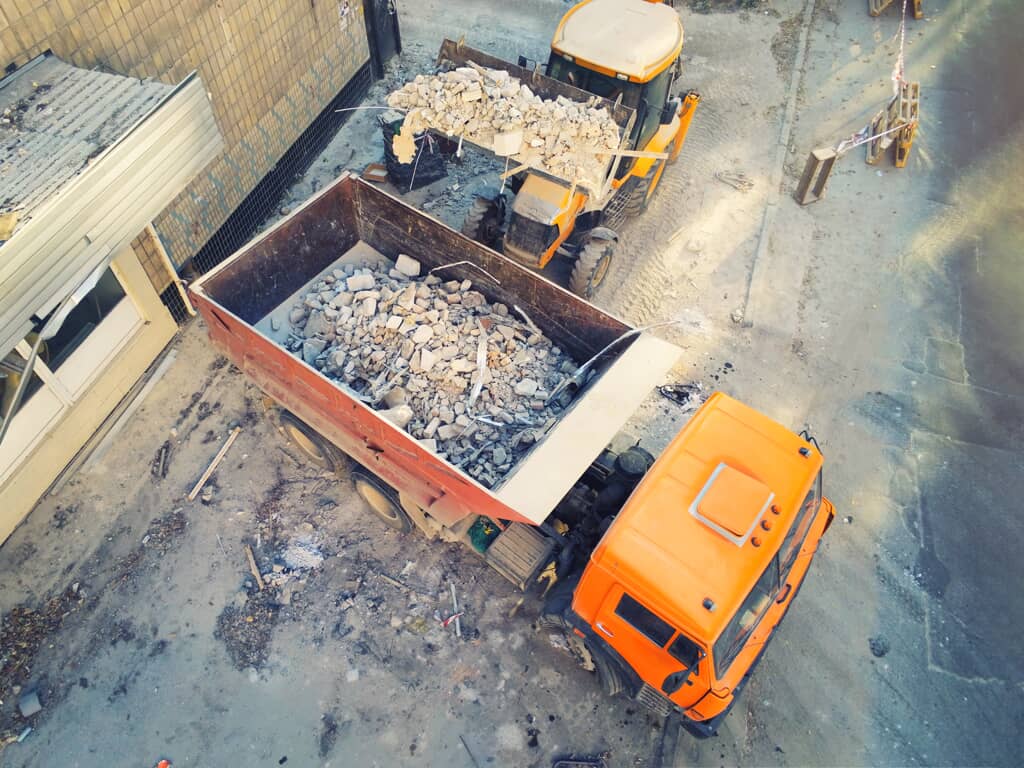
Cranes, forklifts, excavators, loaders, dump trucks, power tools, and other machinery bring real danger to every active project. A single mistake can lead to a struck-by accident, crushing injury, rollover, falling load, collision, or caught-between injury. Workers are not the only people at risk. Pedestrians, delivery drivers, and visitors near a jobsite can be hurt when equipment is operated without proper care.
These accidents often stem from maintenance problems, defective parts, poor operator training, blocked visibility, missing spotters, unsafe traffic patterns, or weak communication between crews. On a large project, several companies may be working in the same area. That can make it harder to determine who was responsible for safe equipment use and movement.
Helpful evidence may include:
Sometimes, the machine itself is part of the problem. If a defective component or unsafe design contributed to the injury, a manufacturer, distributor, rental company, or repair provider may be involved. We review each situation closely because the facts, contracts, and equipment history can matter a great deal.
Electrical injuries can be devastating. Live wires, damaged extension cords, improperly grounded tools, overloaded circuits, temporary power systems, and overhead lines can cause severe burns, electrocution, nerve damage, cardiac injuries, falls, and death. These hazards become even more dangerous when workers rush electrical work or lack proper safeguards.
Trenches and excavations also require careful planning. A collapse can trap a worker almost immediately. Falling materials, unsafe entry points, water buildup, missing protective systems, and heavy equipment operating too close to an excavation can all make a trench unsafe.
Safety violations and regulatory findings can be important evidence, but they do not automatically decide civil liability. We look at who was responsible for site safety, whether hazards had been reported, whether inspections took place, and whether the parties followed applicable California safety requirements. When a construction failure takes a loved one’s life, surviving family members may need answers about accountability and possible wrongful death claims.
Early-fall can bring changing conditions to San Jose construction sites. Rain can make roofs, plywood, scaffolds, ladders, and walkways slick. Shorter-daylight hours may also reduce visibility during early morning or late afternoon work, especially when a commercial or residential project is crowded and moving fast.
Weather should never be an excuse for unsafe operations. Contractors and site managers should adjust work plans, inspect surfaces, provide adequate lighting, address drainage, secure materials, and pause hazardous tasks when conditions become too dangerous. Pressure to finish work before the end of the year can lead crews to overlook precautions that protect both workers and the public.
If a weather-related incident occurs, it can help to preserve photos showing standing water, mud, poor lighting, missing railings, uncovered openings, or loose materials. Prompt medical care and timely reporting can protect your health while also creating a clearer record of what occurred. We can review whether a contractor, property owner, or other third party responded reasonably to foreseeable site conditions.
After a serious construction injury, focus first on medical care and reporting the incident through the proper channels. Keep copies of treatment records, work restrictions, missed-time records, receipts, photographs, and communications about the accident. Before giving a recorded statement to an opposing insurer, it may be wise to understand what information they’re requesting and why.
Construction cases can involve workers’ compensation, third-party negligence claims, defective product claims, or wrongful death litigation. The right approach depends on the people and companies involved, the evidence available, and the way the incident unfolded. Careful documentation and early preservation of jobsite evidence can make a meaningful difference when you need clear answers about a serious injury.
At Caputo & Van Der Walde LLP, we help injured construction workers and families understand their legal options and pursue accountability. Speak with a construction accident lawyer in San Jose about the circumstances of your injury and the path forward. To arrange a confidential consultation, contact us today.






As members of the Multi-Million Dollar Advocates Forum® and the Million Dollar Advocates Forum®, we have proven our ability to negotiate and litigate on behalf of our clients successfully. Retain us to put our tactical strategies to work for you. These skills are what make our legal team such a formidable opponent in any courtroom or negotiation setting.