$ 4250000
Motor Vehicle Accident

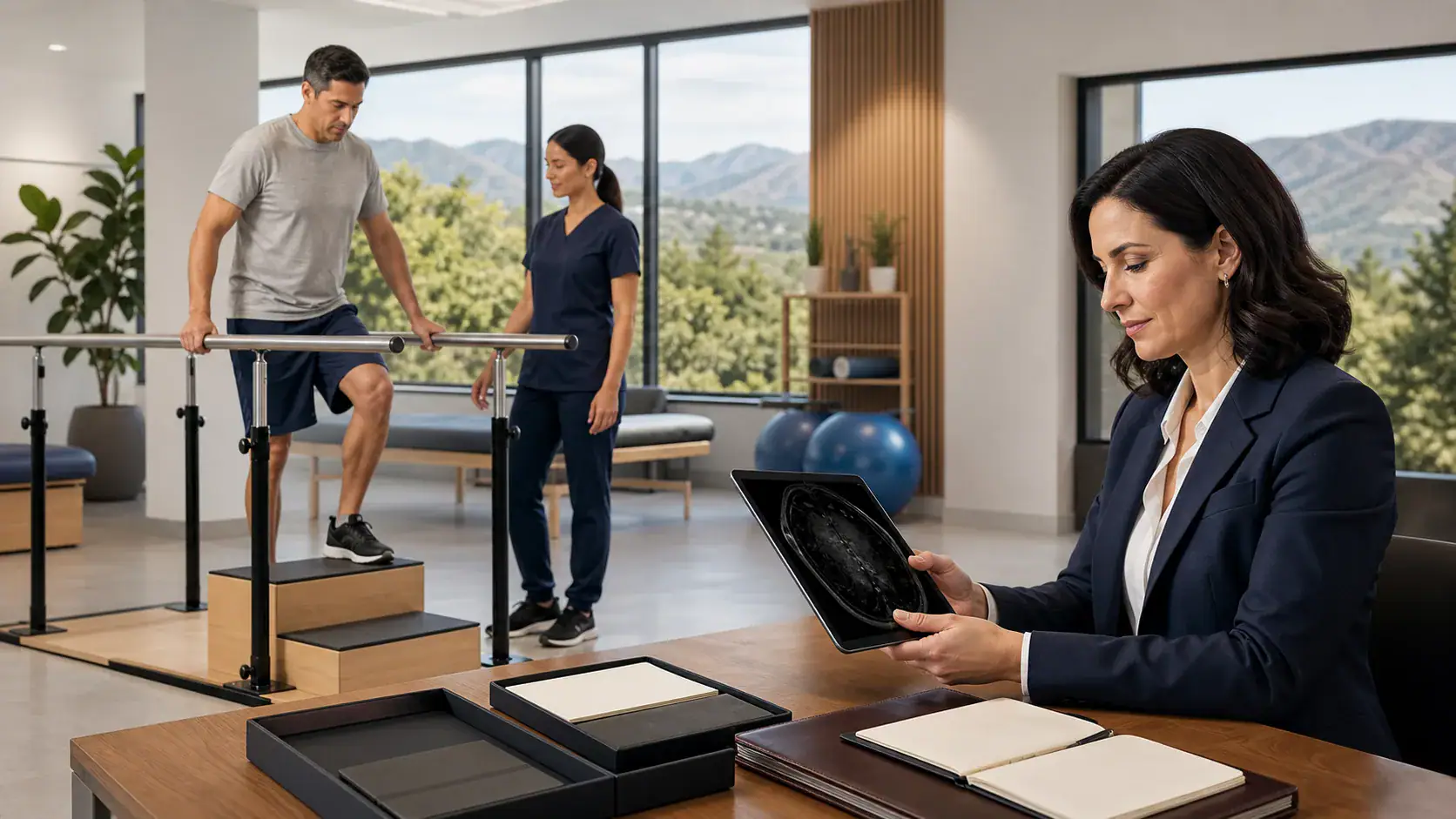
A serious injury can turn familiar parts of your home into daily obstacles. Bathing, climbing stairs, cooking a meal, or stepping through the front door may become difficult or unsafe after a spinal cord injury, traumatic brain injury, fracture, amputation, or another catastrophic injury. Thoughtful home changes can support comfort, independence, and a safer recovery after an accident in Los Altos.
At Caputo & Van Der Walde LLP, we understand recovery doesn’t stop when you leave a hospital or rehabilitation setting. Medical providers and occupational therapists can help identify changes that fit your current abilities, likely recovery path, and living space. By reducing fall risks and removing barriers at home, you may be better able to focus your energy on rehabilitation.
The right changes depend on how an injury affects movement, balance, strength, pain levels, memory, and daily routines. Someone using a wheelchair may need a different home layout than someone recovering from a serious leg fracture or dealing with lasting weakness after a brain injury. We encourage families to rely on medical guidance rather than assume that one accessibility solution will work for everyone.
For mobility limitations, a professional assessment may identify changes such as:
Balance problems, chronic pain, or fatigue can also make ordinary movements risky. Grab bars, shower seating, secure handrails, non-slip flooring, and better lighting may help make daily tasks less demanding. Choose these changes carefully, especially if an injury affects judgment, coordination, or vision.
Some needs are temporary. Portable ramps, shower chairs, and raised toilet seats may help during early recovery. Permanent disabilities may require structural changes designed for long-term accessibility. A serious injury lawyer Los Altos residents trust can also help you determine whether the recommended home changes relate directly to the harm caused by an accident.
Getting in and out of the home safely is often the first concern. A person using a cane, walker, or wheelchair may struggle with steep steps, uneven paths, narrow entrances, or raised thresholds. Depending on the home and the person’s needs, safer access may include a ramp, sturdy handrails, a covered walkway, adjusted thresholds, or an accessible parking area close to the entrance.
Bathrooms deserve special attention because they combine hard surfaces, water, tight spaces, and frequent transfers from standing to sitting. After a serious injury, even a short trip to the bathroom can create a risk of a fall. A qualified professional can help determine whether changes such as these make sense:
Fall prevention should extend beyond the bathroom. During Los Altos’ autumn and winter months, wet leaves, damp walkways, and earlier evenings can create added hazards near entrances. Clearing walking paths, improving exterior lighting, securing loose rugs, and using slip-resistant surfaces can help reduce risks. These measures are not a substitute for medical care, but they may make the home less likely to cause a setback during recovery.
When another party’s negligence caused an injury, medically recommended home modifications may matter in a personal injury claim. The financial impact can go beyond the visible construction work. It may involve accessibility assessments, materials, labor, permits, temporary equipment, upkeep, and possible future changes if your condition develops differently than expected.
Good records can help show why a modification was needed and how it relates to the injury. We often recommend keeping organized copies of:
Documentation cannot guarantee an outcome in a legal claim. Still, it can help show the practical effect an injury has had on your everyday life and the expenses connected to that harm. At Caputo & Van Der Walde LLP, we can review the available information and help evaluate whether home modification needs and projected care needs should be considered in a personal injury case.
Recovery can shift over time. Equipment that works well in the first few weeks may not fit your needs months later, especially if more surgery, therapy, or medical treatment is expected. For that reason, it is wise to focus on immediate safety without rushing into expensive permanent changes before your medical outlook is clearer.
Family members, caregivers, medical professionals, and qualified contractors can all provide useful perspective. Coordinating those conversations can help avoid construction choices that create new barriers or do not fit future needs. From our legal perspective, early planning can also help preserve records of what was recommended, when it was needed, and why a temporary or long-term modification became necessary.
When a serious injury affects a household, the goal is not simply to make a room look different. It is to create a space where daily routines are safer, more manageable, and better aligned with recovery.
Home modifications can help you maintain independence and reduce avoidable risks after a serious accident. Before making major changes, seek guidance from your medical providers and accessibility professionals, then keep clear records of every injury-related recommendation and expense.
A home should support healing, not add stress or danger. Careful planning, flexibility for changing mobility needs, and professionally guided solutions can help create a safer place to recover.
Caputo & Van Der Walde LLP can help you understand your legal options and pursue accountability for the harm you have suffered. Speak with a serious injury lawyer in Los Altos about the evidence, losses, and deadlines that may affect your claim. When you are ready to discuss your situation, contact us for guidance from our team.










As members of the Multi-Million Dollar Advocates Forum® and the Million Dollar Advocates Forum®, we have proven our ability to negotiate and litigate on behalf of our clients successfully. Retain us to put our tactical strategies to work for you. These skills are what make our legal team such a formidable opponent in any courtroom or negotiation setting.